Advanced Cattle Breeding Solutions for Dairy Farm Growth
Virginia's dairy farmers face more challenges now than ever before, from rising feed costs to fluctuating milk prices. That's why having a solid breeding program isn't just helpful, it's essential for staying profitable. Advanced cattle breeding solutions combine the best of genetics, smart technology, and proven herd management practices to help you get more milk from healthier cows while building a stronger herd for the future.
Key Takeaways
- Genetic testing helps you identify the best cows for breeding and can improve milk production while maintaining good health
- Better heat detection using activity monitors can catch more breeding opportunities than watching cows by eye alone
- Cattle herd management software keeps all your breeding records organized and helps you make better decisions with your data
- Good nutrition during breeding season supports reproductive success and keeps your cows in the right body condition
- Health monitoring systems spot problems early, saving you money on vet bills and keeping your breeding program on track
- Smart crossbreeding can give you the benefits of hybrid vigor while keeping the traits you want most
Getting the Most from Modern Breeding Genetics
Genetics used to be mostly guesswork based on how a cow looked or what her mother produced. Now we have genetic testing that shows you exactly what's in a cow's DNA before you decide whether to breed her. This testing helps improve the reliability of selection decisions and prevents heifers of low genetic value from entering the herd.
What genetic testing tells you:
- Milk production potential - How much milk a cow might produce in her lifetime
- Milk quality traits - Protein and fat percentages that affect what buyers pay you
- Health resistance - Natural protection against common diseases like mastitis
- Fertility factors - How easy it will be for her to get pregnant and stay pregnant
- Longevity traits - Whether she'll be productive for many years or burn out early
Research shows the net benefit of genomic testing ranges from $204 to $1,124 per 100 cows over the lifetime of genotyped heifers. Genomic test costs vary by provider and region, but the information helps you make breeding decisions that can add hundreds of dollars in value over a cow's lifetime.
Technology That Actually Helps Your Breeding Program
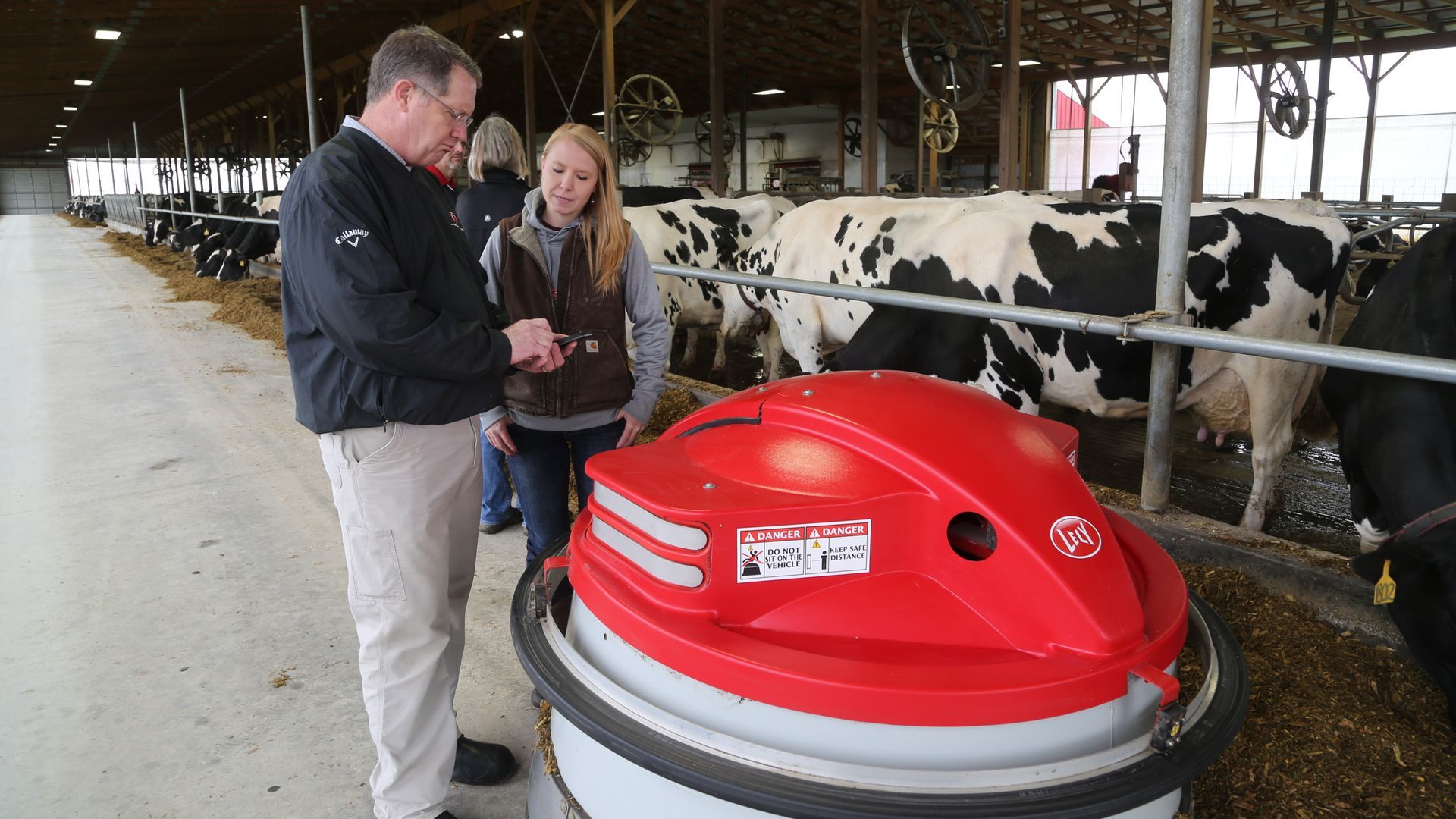
Dairy herd management software has changed the game for tracking breeding cycles and making sense of all the data that comes from running a dairy. Instead of trying to remember which cows are due to be bred or flipping through paper records, everything gets tracked automatically.
Here's what good breeding software does for you:
Keeps Track of Breeding Schedules
- Alerts you when cows are ready to breed based on their activity patterns
- Tracks pregnancy confirmations and predicts calving dates
- Connects with your vet's records so nothing falls through the cracks
Makes Sense of Your Data
- Shows you which bulls are giving you the best conception rates
- Tracks genetic progress over multiple generations
- Helps you see patterns you might miss otherwise
Works With Your Other Systems
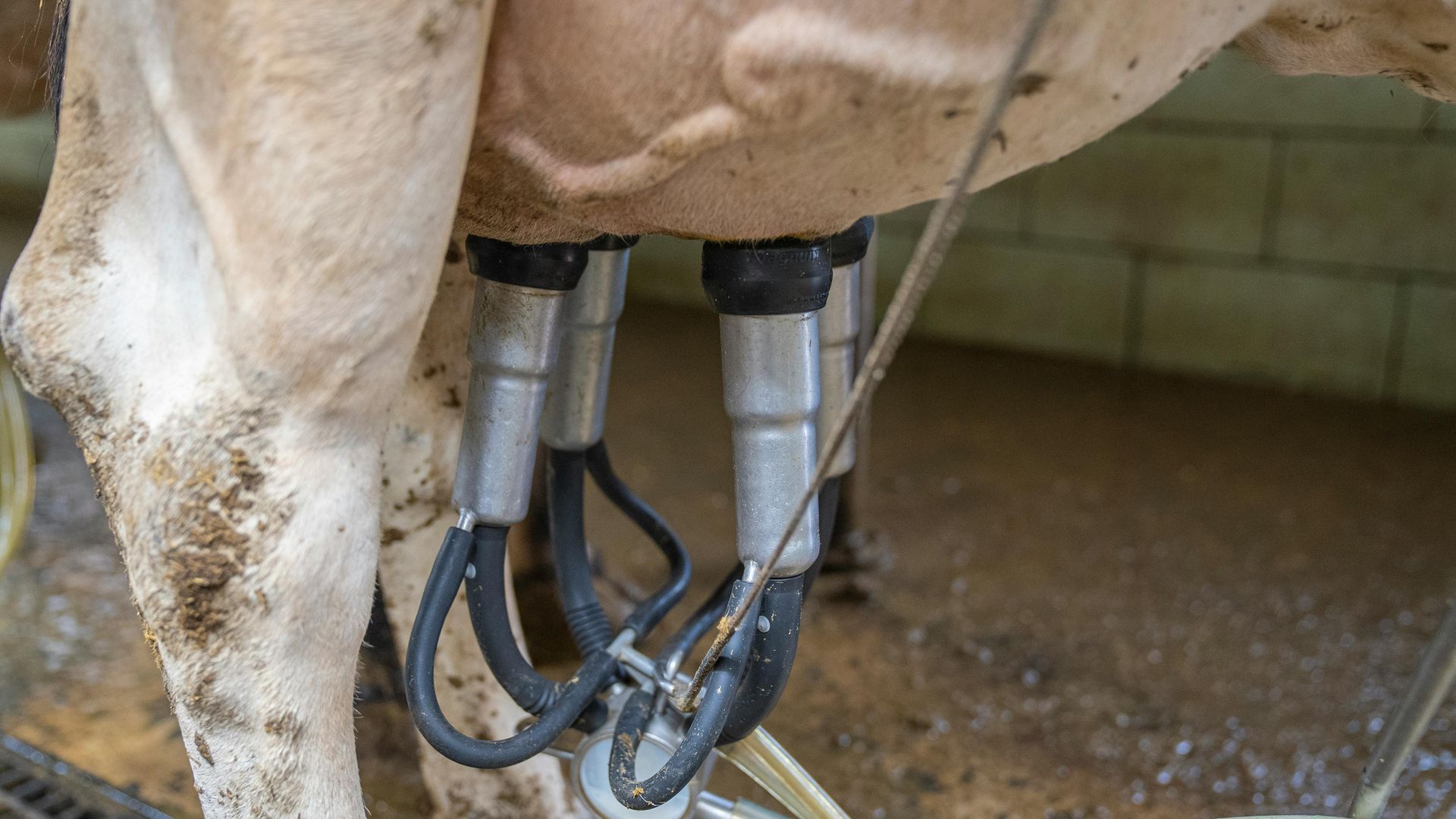
- Connects to your milking system to track production changes
- Links with activity monitors to catch heat cycles automatically
- Exports data to genetic evaluation services when needed
Many dairy farm efficiency solutions now use smart algorithms to predict the best breeding windows and suggest genetic matches based on what you're trying to accomplish with your herd.
Building a Breeding Program That Works
Every farm is different, so your breeding program should fit your specific goals. Maybe you want higher milk production, better milk quality, cows that stay healthier, or animals that work better in your particular setup. Whatever your goals, you need a clear plan that balances what you need now with where you want your herd to be in five years.
Setting Up Your Program
Know What You Want
Start with specific, measurable goals like increasing milk yield by 500 pounds per cow annually or cutting your somatic cell count by 15 percent. Write these down in order of importance so you can make consistent breeding decisions.
Pick the Right Bulls
Choose artificial insemination (AI) sires that complement what your herd already does well and fix the things that need work. Look at proven daughter performance when available and genomic predictions for younger bulls.
Plan Your Replacements
Figure out how many replacement heifers you need each year and which cows should stay in the breeding program versus which ones should be culled. Consider your facility space, market conditions, and genetic improvement opportunities.
Here's a typical breeding program timeline:
| When | What You're Doing | Things to Think About |
|---|---|---|
| Yearly | Review goals and progress | Look at genetic gains, financial returns |
| Every 3 months | Choose bulls and order semen | Check new genetic options, plan ahead |
| Monthly | Analyze breeding performance | Track conception rates, pregnancy checks |
| Weekly | Make individual breeding decisions | Review heat detection, timing protocols |
| Daily | Watch for heat and do AI | Execute your plan, keep good records |
Heat Detection and Reproductive Management
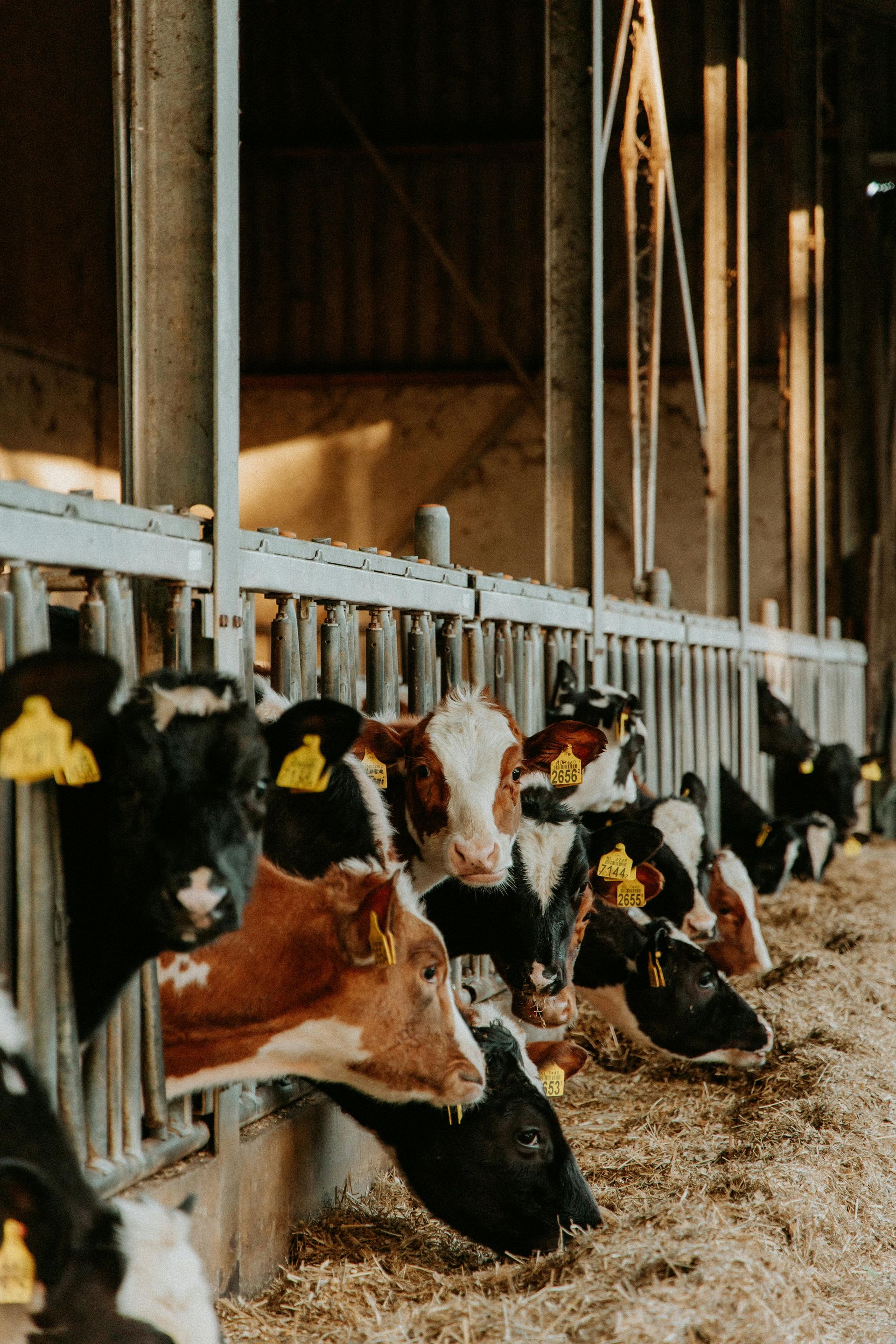
Getting cows bred starts with knowing when they're ready. Visual observation alone typically detects less than 50% of heat cycles, while good automated systems can achieve 80-85% detection rates. That's a huge difference when you consider that every missed heat cycle costs you about three weeks of open days.
Why Better Heat Detection Matters
Traditional visual heat detection requires someone to watch cows for 30 minutes at least twice a day, preferably three times. Most farms don't have the labor for that level of observation. Activity monitors attached to collars or leg bands can detect when cow activity increases 2-3 times normal levels during estrus, giving you much more accurate heat detection.
Making Nutrition Work for Breeding
Body condition score matters more than you might think. Cows that are too thin or too fat both have trouble getting pregnant. The sweet spot is usually 3.0-3.5 on a 5-point scale at breeding time. Good transition period nutrition affects how quickly cows start cycling again after calving.
Health Protocols That Support Reproduction
Vaccination programs, parasite control, and metabolic disease prevention all play into reproductive success. Farms with comprehensive health protocols often see conception rates improve by 5-10 percentage points compared to basic health management.
Technology Options for Better Monitoring
There are lots of different monitoring technologies available now, and most of them work pretty well when used correctly. The key is picking something that fits your operation and budget.
Activity Monitoring Systems
Collar or leg-mounted sensors track movement patterns to identify when cows are in heat. These systems typically achieve detection rates above 85% compared to 40-60% with visual methods. Most store data every few hours and download it when cows come through the parlor.
Automated Pregnancy Detection
Some farms invest in portable ultrasound units for early pregnancy checking around 30-35 days after breeding. Others schedule regular vet visits. Either way, confirming pregnancies early helps you catch open cows quickly.
Integration Possibilities
Many monitoring systems connect with your existing milking equipment, feed systems, and farm management software. The more connected your systems are, the better picture you get of what's happening with each cow.
Practical Implementation and Common Challenges
Getting started with advanced breeding solutions doesn't have to be overwhelming. Many successful farms take a gradual approach, adding activity monitors as a first step since these systems typically pay for themselves quickly through improved breeding efficiency.
Technology Adoption
Some farm staff may be hesitant to use new technology. Start with your most tech-savvy person and let them help train others. Most modern systems are designed to be user-friendly, though there's still a learning curve.
Data Management
Modern systems generate lots of information, which can be overwhelming. Focus on key metrics that directly relate to your goals rather than trying to track everything. Most software allows you to customize dashboards to show only what you need most.
Equipment Reliability
Activity monitors work in tough conditions and sometimes fail. Always have backup plans for critical functions like heat detection. Many farms keep traditional heat detection supplies on hand just in case.
Seasonal Breeding Considerations
Breeding success varies by season. Summer heat stress often reduces conception rates because it affects egg quality and early embryo development. Good ventilation, shade, and cooling systems become critical during hot weather. Some farms adjust AI timing during summer, breeding earlier when temperatures are cooler.
Winter brings different challenges, including increased energy needs and potentially muddy conditions. Proper ventilation without drafts, adequate bedding, and maintaining body condition become more important during cold weather.
Making the Numbers Work
Investing in better breeding technology and genetics does cost money upfront, but most farms see good returns when they do it right. Since genomic selection was adopted, the dairy industry has doubled the rate of genetic gain, with average annual increases in net merit rising from $40 to $85.
How You Make Money Back
More Milk Revenue
Genetic improvements in milk yield can add $100-300 per cow annually, depending on milk prices and how much production actually increases. Better milk quality through genetic selection can earn premium payments in many markets.
Lower Operating Costs
Better reproductive efficiency means you need fewer replacement animals, which cuts feed costs and facility needs. Healthier cows mean lower vet bills and less labor dealing with sick animals.
Less Risk
Having genetic diversity in your herd protects you from disease outbreaks or market changes that might hit one type of animal harder than others. Better fertility gives you a more predictable cash flow through consistent breeding and calving.
Most farms see good returns from investing in better breeding technology and genetics when they implement these systems properly. The dairy industry has seen significant improvements since genomic selection was adopted: the average annual increase in net merit rose from $40 during 2005-2009 to $85 since 2010.
Frequently Asked Questions
How long before I see results from a new breeding program?
You'll notice improvements in conception rates and breeding efficiency within 6-12 months of starting. Genetic improvements in milk production typically show up in the first generation of offspring, usually 2-3 years after beginning the program.
What size herd do I need to make breeding technology worthwhile?
Most breeding management software and basic monitoring systems pay for themselves with 50-100 cows or more. Smaller operations can often use simpler versions or work with their vet or breeding cooperative to access these tools.
Can smaller farms compete with big dairies using these breeding methods?
Absolutely. Modern breeding technologies work for farms of all sizes and can actually give small farms advantages since they can make changes faster and manage more intensively.
How important is keeping good records?
Very important. Accurate records are the foundation of making smart breeding decisions and measuring whether your program is working. Digital systems make this much easier than paper records while giving you analysis tools that manual systems can't match.
What role does artificial insemination play in modern breeding?
AI gives you access to the best genetics available worldwide while letting you time the breeding exactly when you want it. Most successful breeding programs rely heavily on AI to speed up genetic progress and improve reproductive efficiency.
Final Thoughts
Investing in better breeding methods isn't just about keeping up with the latest trends; it's about building a more profitable and sustainable dairy operation. When you combine smart genetics, good management software, and proven animal care practices, you create a system that helps your herd perform better while making your job easier. The key is starting with clear goals, picking technologies that fit your operation, and staying committed to using data to make better decisions about your cows' future.
Ready to improve your dairy breeding program? Contact C&C Farm Supply today to learn about dairy herd management software solutions that can help you track breeding cycles, monitor cow health, and make data-driven decisions for your farm's success.
Reference:
https://pubmed.ncbi.nlm.nih.gov/10064028/
Share this article