Dairy Yield Optimization on the Farm: Tools That Make a Difference
Running a successful dairy operation today means finding ways to get more milk from healthier cows while keeping costs under control. Dairy yield optimization on farms isn't just about the latest gadgets: it's about using practical tools and smart management to help your cows perform their best. Whether you're milking 50 cows or 500, the right combination of monitoring equipment, feeding systems, and management software can make a real difference in your bottom line and day-to-day operations.
Key Takeaways
- Monitoring technology helps track cow health and behavior so you can spot problems early and catch heat periods more accurately
- Feed management tools take the guesswork out of nutrition, helping you balance rations while keeping feed costs reasonable
- Automated milking equipment saves time and provides consistent routines that cows actually prefer
- Health tracking systems give you early warnings about illness, potentially saving hundreds in vet bills per cow
- Farm management software keeps all your records in one place, making it easier to track what's working and what isn't
- Environmental controls keep cows comfortable year-round, which directly impacts how much milk they produce
Getting Started with Modern Monitoring Technology
Today's dairy yield optimization technology doesn't have to be complicated or overwhelming. Most systems start with basic monitoring that tracks things you're already watching, like how much each cow is moving around or eating. The difference is that these tools never sleep and can spot patterns you might miss during busy days.
What These Systems Actually Do:
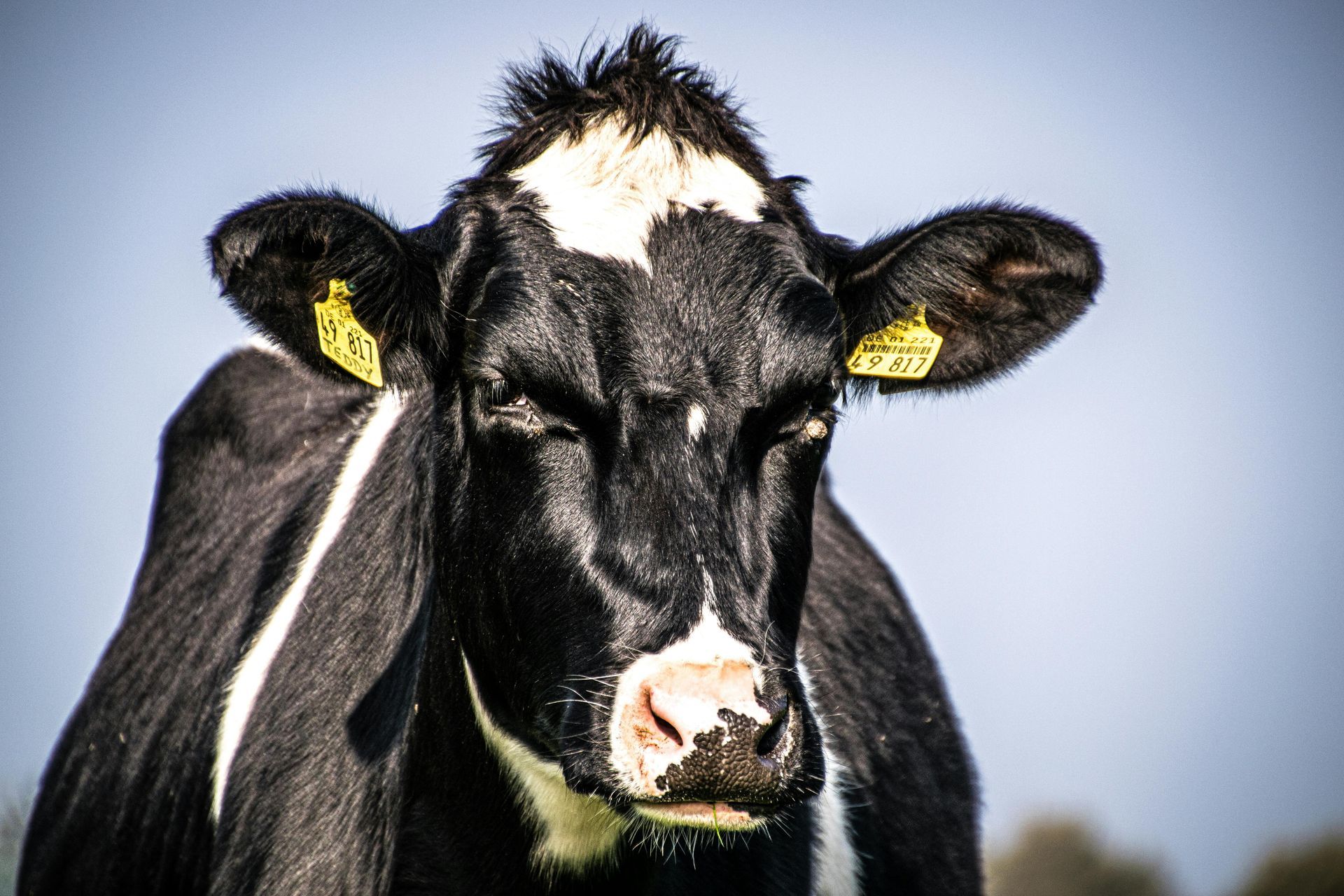
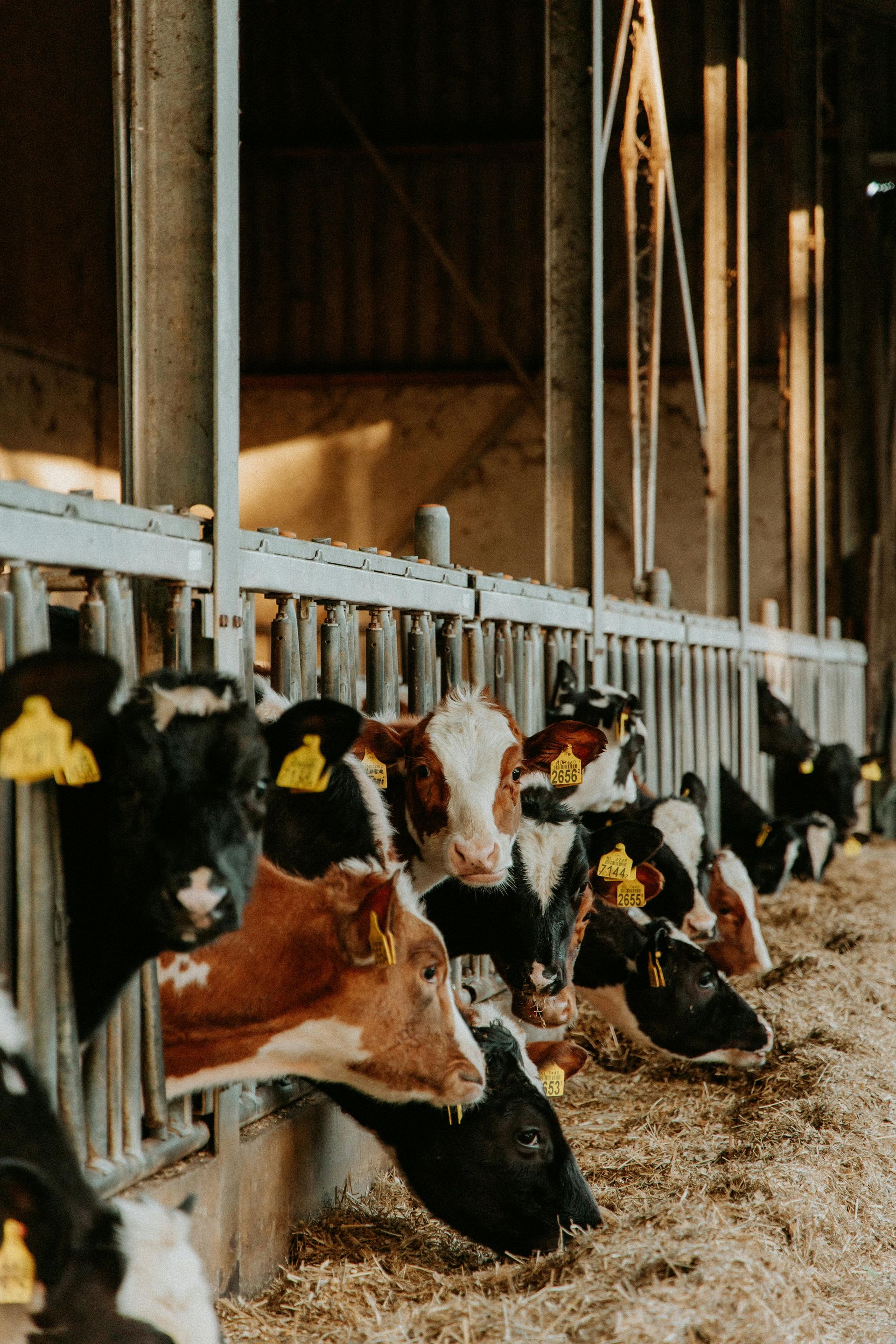
- Activity sensors (usually neck collars or ear tags) watch for changes in movement that signal heat cycles or health problems
- Feed monitoring equipment tracks how much each group of cows is eating and when they prefer to eat
- Milk testing tools check milk quality right in the parlor, catching issues before they affect your whole tank
- Barn environment sensors keep tabs on temperature, humidity, and air quality to maintain cow comfort
The farmers who get the best results from these tools aren't necessarily the most tech-savvy ones. They're the ones who start simple, learn what works for their operation, and gradually add more features as they see benefits. Many report that even basic activity monitoring paid for itself within the first year just through better heat detection.
Choosing the Right Farm Management Software
Good dairy yield optimization software doesn't need to be fancy to be effective. The best programs are ones that actually save you time rather than creating more work. These platforms help you keep track of everything from breeding schedules to feed costs without drowning you in data you don't need.
Core Software Functions:
- Herd Records keep track of each cow's health history, breeding dates, and production numbers in one easy-to-access place. Instead of hunting through paper records or multiple spreadsheets, you can pull up any cow's information in seconds.
- Feed Cost Tracking helps you see exactly where your feed dollars are going and whether changes in nutrition are actually improving milk production enough to justify the cost.
- Production Analysis shows you trends over time, helping you figure out which management decisions are working and which ones need adjustment.
- Financial Tracking connects production data with actual income, so you can see which practices are really improving your profit margins.
The most useful herd management software integrates easily with whatever equipment you already have. Look for programs that don't require you to completely change how you operate but instead work with your current routines.
Smart Feeding and Nutrition Management
Feed represents about 40-60% of your total milk production costs, so getting nutrition right has a huge impact on profitability. Modern feeding tools help you deliver consistent, high-quality nutrition without wasting feed or over-complicating your daily routine.
Practical Feed Management Equipment
- TMR mixers with built-in scales ensure every load is mixed the same way, reducing waste and preventing cows from sorting through their feed
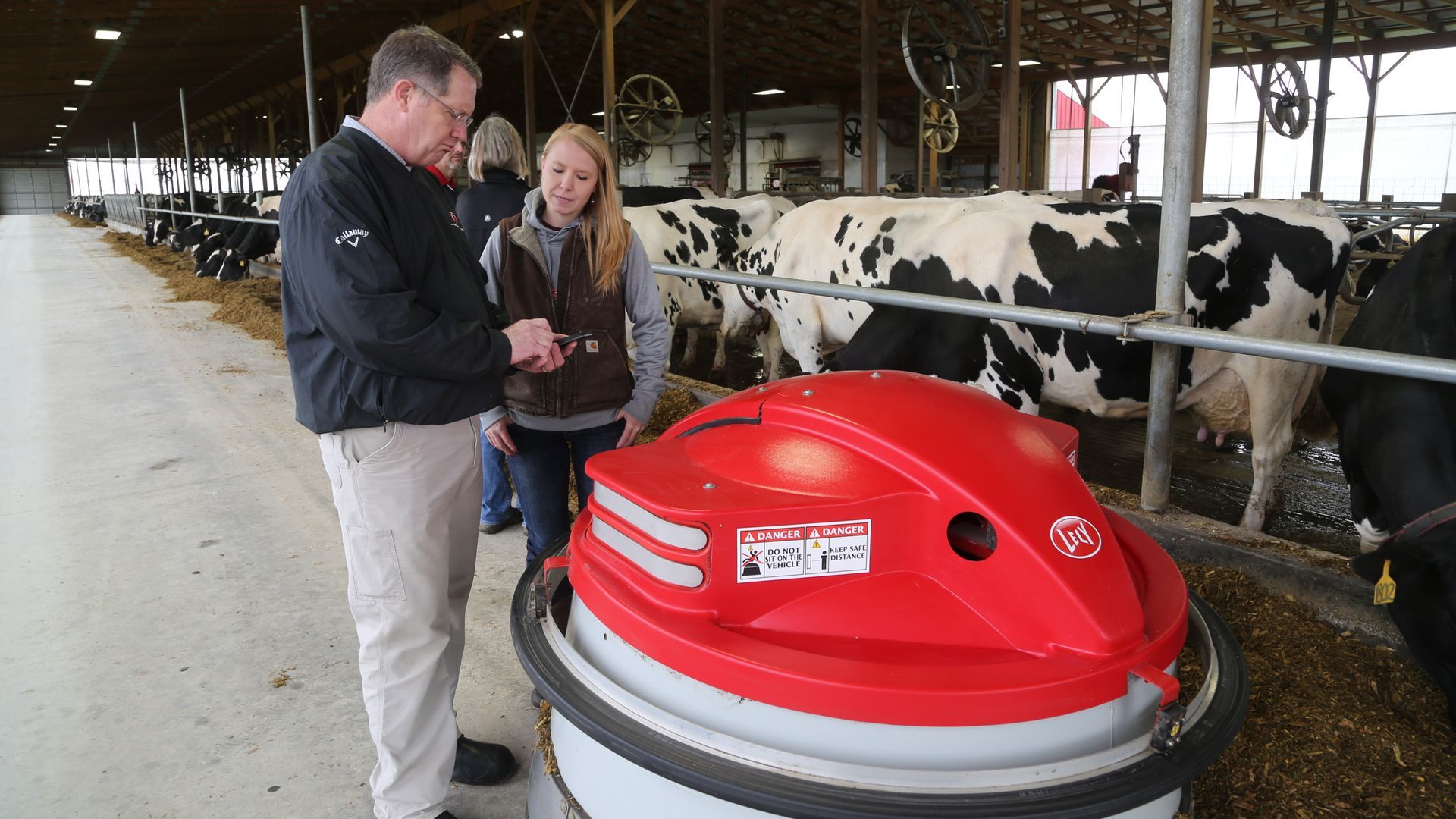
- Automated feed pushers keep feed within reach throughout the day, encouraging steady intake instead of big meals followed by long breaks
- Individual feeding systems allow you to give special attention to fresh cows, high producers, or animals that need extra nutrition
- Feed testing equipment helps you know what's actually in your forage so you can adjust rations based on real numbers instead of estimates
Feed Storage Solutions protect your investment by keeping feeds fresh and preventing spoilage. Proper storage systems keep moisture out, pests away, and make it easy to access feeds for daily feeding without waste.
The goal isn't to make feeding more complicated but to make it more consistent. Cows perform better when they get the same quality feed at the same times each day, and good equipment helps you achieve that consistency even when you're short-handed or dealing with weather challenges.
Improving Milking Operations
Your milking system directly affects both milk quality and cow comfort, making it one of the most important areas for dairy farm efficiency solutions. Modern milking equipment isn't just about speed; it's about creating a routine that's comfortable for cows and efficient for your labor.
Milking System Options
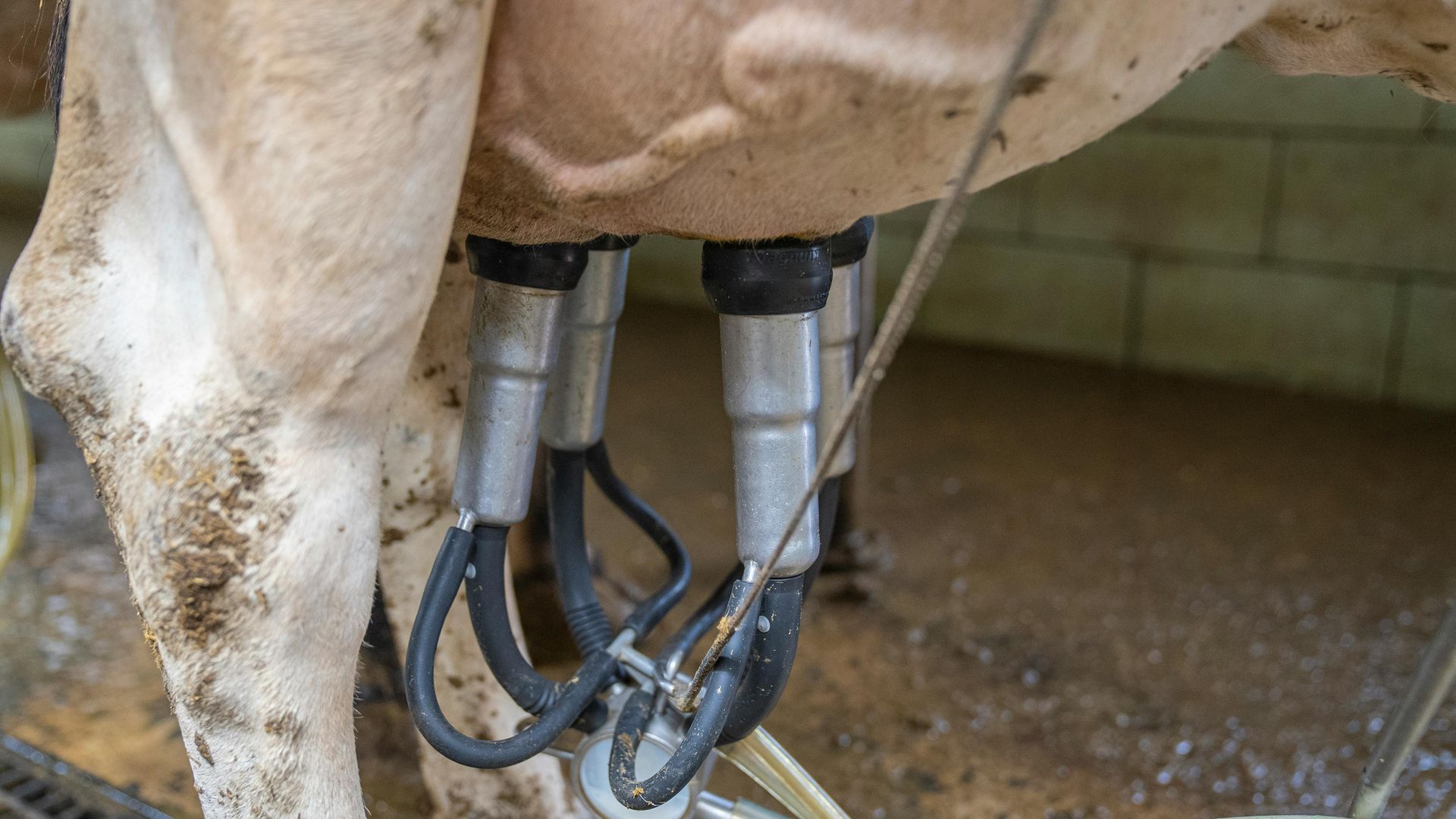
- Robotic Systems let cows choose when to be milked, often resulting in more frequent milking and higher production. While the upfront cost is significant, many farmers find the labor savings and improved cow comfort make it worthwhile.
- Parlor Improvements like automatic takeoffs, individual cow ID systems, and milk meters can make conventional parlors much more efficient while providing better data about each cow's production.
- Milk Handling Systems maintain milk quality from the cow to the bulk tank, helping you qualify for quality premiums and avoid penalties.
The key is choosing systems that match your operation size and management style. A 100-cow farm probably doesn't need the same level of automation as a 1,000-cow operation, but both can benefit from improvements that reduce labor and improve milk quality.
Health Monitoring That Actually Works
Keeping cows healthy is obviously important for their well-being, but it also has a direct impact on milk production and your feed efficiency. Modern health monitoring tools help you catch problems early when they're easier and less expensive to treat.
Available Health Monitoring Tools
- Activity monitors track changes in movement patterns that can signal illness before other symptoms appear
- Rumination sensors watch for changes in chewing patterns that often indicate digestive or health issues
- Temperature monitoring systems provide alerts when body temperature changes, which is often the first sign of illness
- Milk quality analyzers test for indicators of mastitis and other conditions affecting milk production
Practical Health Management works best when monitoring tools connect with your regular cow care routines. The most effective systems alert you to problems during normal barn checks rather than creating extra work or false alarms.
These tools work especially well on farms that already have good basic health management. If you're already doing a good job with vaccination programs and routine care, monitoring technology can help you catch the issues you might otherwise miss until they become more serious and expensive.
Making Sense of Your Farm Data
All the monitoring equipment in the world won't help if you can't make sense of what it's telling you. Good data management helps you spot trends, make informed decisions, and track whether changes you make are actually improving your operation.
What Good Data Management Looks Like
- Daily summaries that highlight the most important information without overwhelming you with details
- Trend tracking that shows you patterns over weeks and months, not just daily ups and downs
- Comparison tools that help you see how your farm performs against industry averages or your own historical performance
- Alert systems that notify you about important changes without constant false alarms
Making Data Useful means focusing on information that actually helps you make better decisions. The best systems present information in ways that make sense for how you actually manage your farm, not in complicated reports that take forever to understand.
Many successful farmers use their data to answer specific questions like "Which feed changes actually increased milk production?" or "Are we catching heat periods more accurately than before?" rather than trying to track everything possible.
Planning Your Technology Investment
Before investing in any dairy farm efficiency solutions, it helps to think about what problems you're actually trying to solve. The most successful technology adoption happens when farmers start with clear goals and choose tools that address specific challenges.
Investment Considerations
- Start-up Costs include not just equipment purchase but also installation, training, and any barn modifications needed. Get realistic quotes that include everything, not just the base equipment price.
- Ongoing Expenses cover software subscriptions, maintenance, replacement parts, and potential downtime. Factor these into your payback calculations.
- Labor Impact can be positive or negative, depending on how well the technology fits your operation. Some systems save significant labor while others require new skills or additional monitoring time.
- Return Timeline varies depending on what you're implementing. Heat detection systems might pay back quickly through improved breeding efficiency, while automated feeding systems might take longer to show returns.
The farms that get the best results usually start with one system, learn how to use it effectively, and then gradually add other technologies that work well together.
Putting It All Together
Success with dairy yield optimization comes from choosing the right combination of tools for your specific situation and learning to use them effectively. You don't need to implement everything at once, and you certainly don't need the most expensive options to see real improvements.
Making Technology Work
- Start simple with basic monitoring or one key area that's causing problems on your farm
- Learn thoroughly how to use each system before adding more complexity
- Focus on consistency in how you use and maintain equipment
- Track results to make sure investments are actually improving your operation
The best approach is often to pick one area where you're having challenges, whether that's heat detection, feed management, or health monitoring, and find a practical solution that fits your budget and management style. Once that's working well, you can consider adding other tools that complement what you already have.
Remember that technology should make your life easier, not more complicated. The most successful farmers are those who choose tools that work with their management style rather than trying to completely change how they operate.
Frequently Asked Questions
What dairy monitoring technology gives the best return on investment for smaller farms?
Activity monitors for heat detection typically provide good returns for farms under 200 cows. They improve breeding efficiency, and many farms see payback within one to two years through better pregnancy rates.
How quickly can you expect to see improvements from feed management systems?
Most farmers notice changes in milk production when they improve feed consistency and quality. The timeline varies depending on the changes made and current herd conditions.
Do you need reliable internet for most dairy management software to work properly?
Many systems work with basic internet connections and store data locally when connections are spotty. However, real-time alerts and remote monitoring features do require stable internet access to function properly.
What kind of training do farm employees need for new monitoring systems?
Most modern systems are designed to be user-friendly and require minimal training. Suppliers typically provide initial training and ongoing support to help with questions that come up.
How do you know if monitoring technology is actually improving your operation?
Track specific metrics before and after implementation, like pregnancy rates, days in milk, feed efficiency, or treatment costs. Good systems should show measurable improvements with consistent use.
Final Thoughts
Dairy yield optimization on farms works best when you focus on practical tools that solve real problems rather than chasing the latest trends. The most successful farmers choose technology that fits their operation size, budget, and management style, then learn to use it consistently. Whether you start with simple activity monitors or more comprehensive management systems, the key is picking tools that make your daily work easier while helping your cows perform better. Success comes from steady improvements over time, not dramatic overnight changes.
Ready to boost your dairy yields? Contact C&C Farm Supply today to find the right optimization tools for your farm.
Reference:
https://www.lely.com/solutions/feeding/juno/
Share this article