Dairy Farm Financing in Harrisonburg: Funding Your Next Expansion
Expanding a dairy farm in Harrisonburg requires careful planning and reliable financing. With the right financial approach, farm owners can invest in
modern equipment, increase herd size, and improve operational efficiency. Understanding the available funding options and planning strategically can help
dairy farmers grow sustainably while managing costs and risks.
Key Takeaways
- Dairy farm financing options in Harrisonburg include loans, grants, and local cooperative programs.
- Clear financial planning and understanding cash flow are crucial before seeking funding.
- Equipment financing can help modernize operations without large upfront costs.
- Government programs may offer low-interest loans or cost-sharing opportunities.
- Maintaining a strong credit history can improve loan approval chances.
- Working with a local agricultural lender familiar with dairy operations can streamline the process.
Understanding Dairy Farm Financing
Financing a dairy farm expansion involves more than just securing a loan. It requires a clear understanding of your farm’s current financial situation, projected growth, and long-term goals. Farm owners must evaluate both short-term and long-term needs to determine the most suitable financing option.
Common financing purposes include:
- Purchasing new dairy cows or expanding herd size
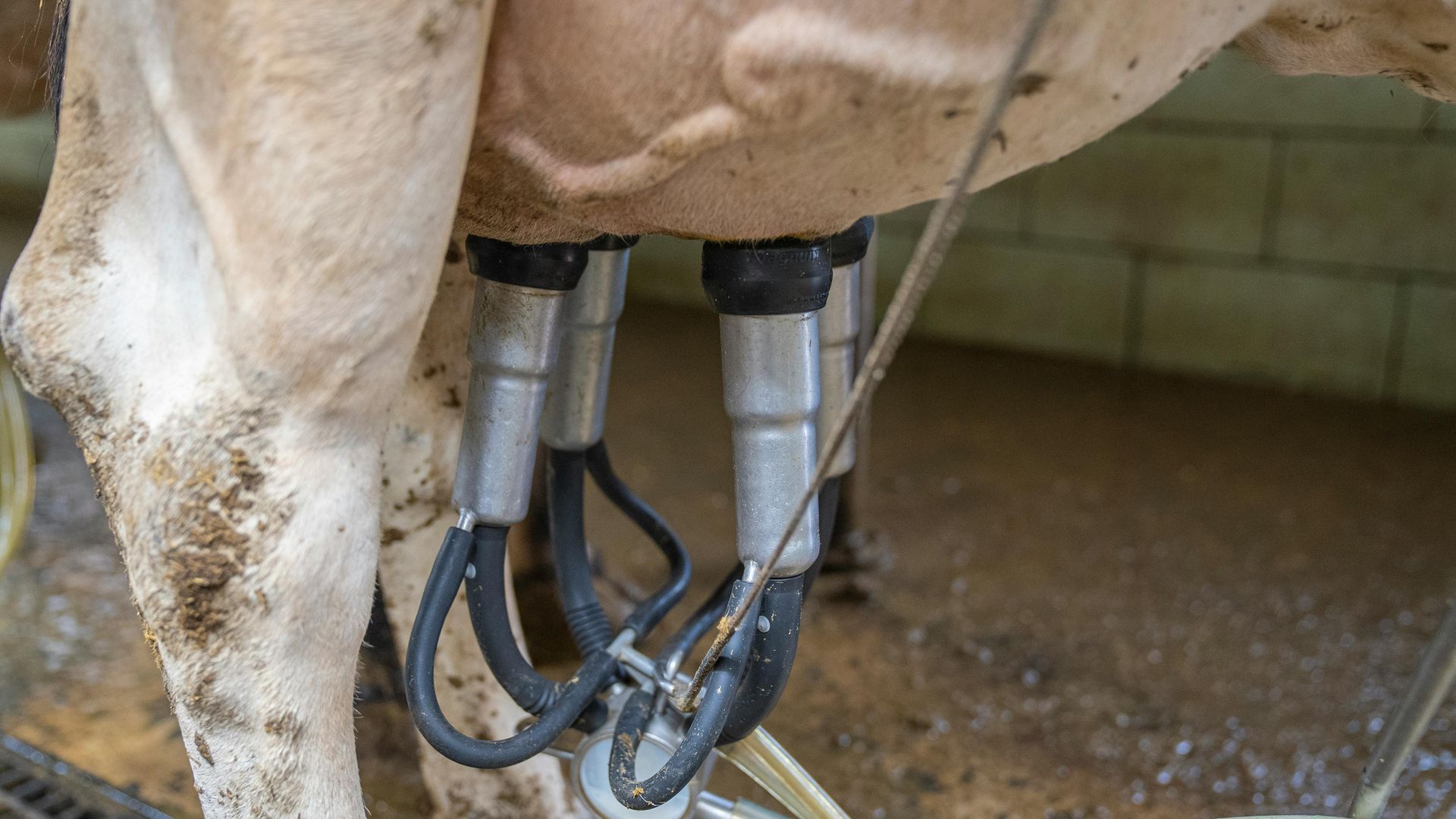
- Upgrading milking equipment and barn facilities
- Expanding storage and refrigeration capacity
- Investing in feed and nutrition systems
- Covering operational costs during growth periods
Choosing the right type of financing can impact the farm’s cash flow and overall sustainability.
Types of Dairy Farm Financing in Harrisonburg
Farmers in Harrisonburg have access to several funding sources. Each option has benefits and considerations depending on your farm’s needs.
1. Agricultural Loans
Agricultural loans are offered by local banks, credit unions, and specialized agricultural lenders. They can cover operational costs, equipment, or land purchases.
Pros:
- Flexible repayment terms
- Tailored to farm-specific needs
- May include government-backed guarantees
Cons:
- Requires credit evaluation and financial records
- Interest rates may vary based on loan type and risk
2. Equipment Financing
Equipment financing allows farmers to purchase machinery without a high upfront cost. Payments are spread over the useful life of the equipment.
Benefits:
- Preserves working capital
- Often includes tax advantages
- Provides access to modern, efficient equipment
Considerations:
- Typically secured by the equipment itself
- Defaulting may result in repossession
3. Government Programs
Federal and state programs often support dairy farmers through low-interest loans, grants, and cost-sharing initiatives.
Examples:
- USDA Farm Service Agency (FSA) loans
- State agricultural development programs
- Conservation or sustainability incentive programs
These programs are especially useful for farms looking to expand responsibly while maintaining environmental and operational standards.
4. Cooperative and Local Funding Programs
Dairy cooperatives or local agricultural associations sometimes provide financing or assistance programs to member farms.
Advantages:
- Community support and knowledge sharing
- Potential for lower interest rates
- Access to specialized farm management advice
Challenges:
- May require membership or participation agreements
- Funding may be limited and competitive
Steps to Secure Financing for Farm Expansion
Securing funding requires a structured approach. Here’s a step-by-step guide for Harrisonburg dairy farmers.
- Evaluate Your Current Financial Situation
- Assess cash flow, existing debts, and assets.
- Identify areas needing immediate investment.
- Develop a Business Plan
- Outline your expansion goals, projected costs, and expected returns.
- Include operational and financial projections for at least 3-5 years.
- Identify Suitable Financing Options
- Compare loan terms, interest rates, and repayment schedules.
- Consider a mix of financing to balance risk and cost.
- Prepare Required Documentation
- Financial statements, tax returns, and credit reports
- Farm operation plans and expansion projections
- Apply and Negotiate Terms
- Submit applications to banks, lenders, or government programs
- Discuss flexible repayment schedules and collateral requirements
- Monitor and Adjust
- Track performance against projections
- Adjust operations or financing strategies as needed
Budgeting and Financial Planning Tips
Effective financial planning is key to successful expansion. Consider these tips:
- Maintain Accurate Records: Keep detailed records of income, expenses, and herd performance.
- Plan for Contingencies: Include unexpected costs, such as equipment repairs or feed price fluctuations.
- Monitor Cash Flow: Ensure funds are available for daily operations while servicing debt.
- Consider Short-term vs Long-term Needs: Balance immediate purchases with long-term investment plans.
- Work with a Financial Advisor: A professional familiar with agricultural finance can provide valuable guidance.
Case Example: Financing a New Milking Parlor
| Item | Cost Estimate | Financing Option | Notes |
|---|---|---|---|
| Milking Parlor Equipment | $120,000 | Equipment Loan | Payments spread over 7 years |
| Barn Expansion | $80,000 | Agricultural Loan | Secured with farm assets |
| Feed and Storage | $40,000 | Government Grant | FSA cost-sharing program |
| Operational Reserve | $20,000 | Savings | Maintains cash flow during transition |
This example shows how combining different financing sources can make a substantial expansion more manageable and less risky.
Working with Agricultural Lenders in Harrisonburg
Local lenders have unique expertise in dairy farm operations. They can provide:
- Tailored loan products
- Advice on eligibility for government programs
- Flexible repayment structures aligned with farm income cycles
When choosing a lender, consider:
- Experience in agricultural lending
- Interest rates and fees
- Willingness to provide guidance and support
Equipment and Technology Financing for Dairy Operations
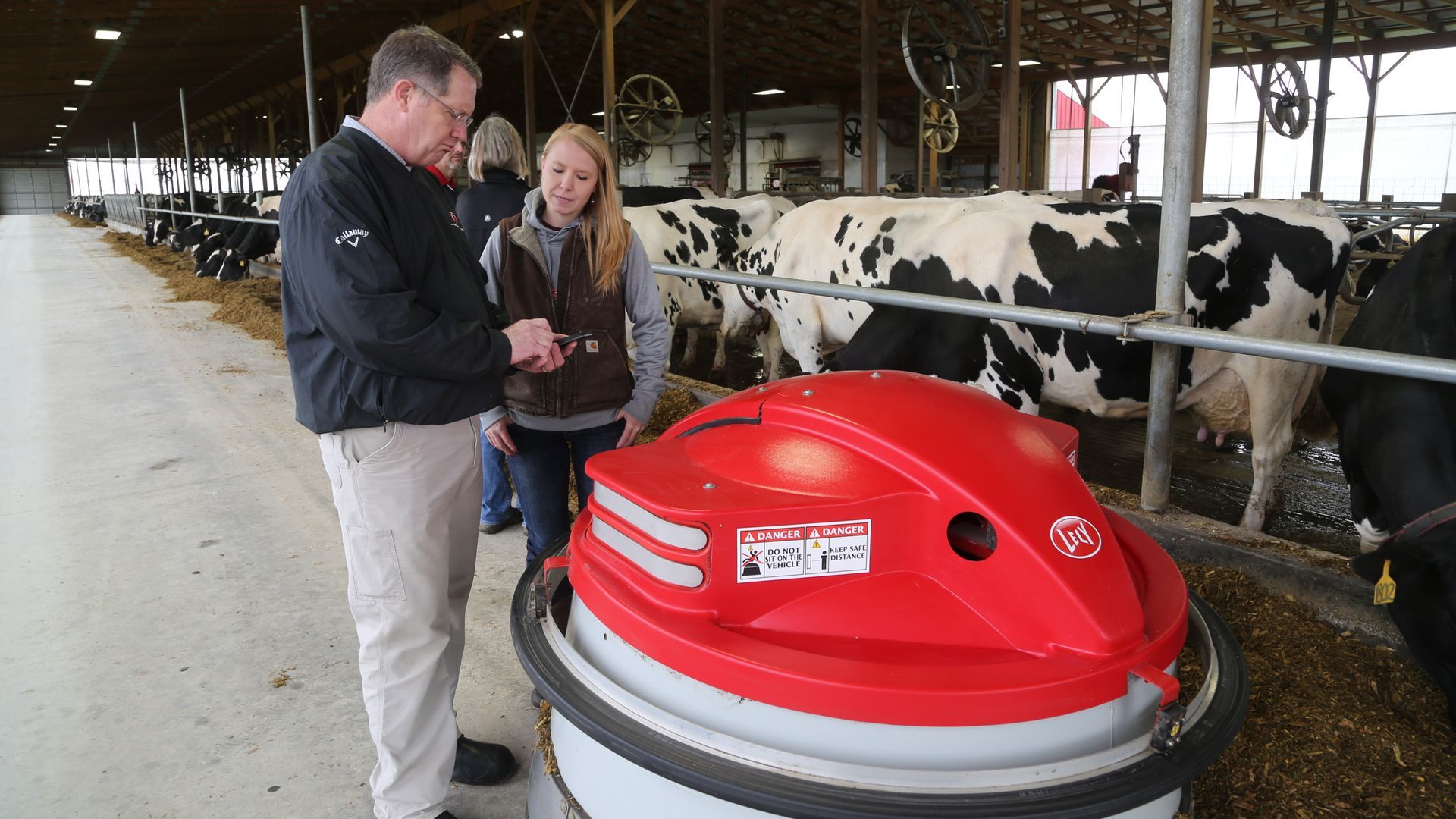
Modern dairy farming relies heavily on equipment and technology to improve efficiency, maintain herd health, and boost production. From automated milking systems to climate-controlled barns, these investments can be expensive. Equipment and technology financing provides a practical way for dairy farmers in Harrisonburg to access advanced tools without straining cash flow.
Why Equipment and Technology Matter
Investing in the right equipment and technology can:
- Increase efficiency: Automated milking systems and feed dispensers reduce labor needs and save time.
- Improve herd health: Climate-controlled barns, milk cooling tanks, and monitoring systems help maintain cow health and prevent disease.
- Enhance productivity: Modern milking and feeding equipment can improve milk yield and quality.
- Reduce long-term costs: Energy-efficient systems and automated processes can lower operational costs over time.
Without access to financing, small and medium-sized farms might struggle to implement these improvements, which can limit growth and competitiveness.
Financing Options for Equipment and Technology
Several financing methods are commonly used by dairy farmers:
- Equipment Loans
Equipment loans are specifically designed to purchase machinery. The equipment itself often serves as collateral, which can make approvals easier. - Pros: Spreads the cost over time, preserves working capital.
- Cons: Payments are required regardless of farm performance.
- Leasing Programs
Leasing allows farms to use equipment for a fixed period, often with the option to buy at the end of the term. - Pros: Lower upfront costs, access to the latest technology.
- Cons: Total cost may be higher than purchasing outright; ownership remains uncertain until the end of the lease.
- Government and Cooperative Programs
Programs through the USDA, state agricultural departments, or local cooperatives sometimes cover part of the cost of sustainable or efficiency-improving technology. - Pros: May include low-interest rates or partial grants.
- Cons: Funding can be competitive and application-intensive.
- Vendor Financing
Some equipment suppliers offer financing directly, allowing farmers to pay in installments. - Pros: Often quick and convenient, may include flexible terms.
- Cons: Interest rates may be higher than bank loans.
Types of Equipment and Technology Commonly Financed
Here are some examples of equipment that dairy farmers often finance:
- Automated Milking Systems – Reduce labor needs and improve milking consistency.
- Milk Cooling Tanks and Storage Units – Ensure milk quality and compliance with health standards.
- Feed Mixers and Dispensers – Optimize nutrition and reduce waste.
- Climate-Controlled Barns and Ventilation Systems – Maintain cow comfort and health.
- Herd Monitoring Technology – Sensors and software track cow health, reproductive cycles, and milk output.
- Manure Management and Waste Systems – Improve sanitation and environmental compliance.
Tips for Financing Equipment Effectively
- Prioritize Needs vs. Wants – Focus on equipment that directly improves production or reduces costs first.
- Evaluate Return on Investment (ROI) – Estimate how much income or savings the equipment will generate over its lifetime.
- Shop Around for Financing – Compare interest rates, repayment terms, and eligibility requirements from multiple lenders.
- Consider Tax Implications – Certain financing options may offer tax advantages, such as depreciation or equipment expense deductions.
- Plan for Maintenance and Upgrades – Include ongoing costs in your budget to avoid unexpected financial strain.
Frequently Asked Questions
What credit score do I need for dairy farm financing?
Requirements vary by lender, but a strong credit history improves approval chances and interest rates.
Can I finance only part of my expansion project?
Yes, many lenders allow partial financing or a combination of loans and grants to cover different aspects.
How long does it take to secure a loan?
The process can take several weeks to a few months, depending on documentation, lender review, and approval processes.
Are there grants available specifically for dairy farms?
Yes, federal, state, and local programs sometimes offer grants for equipment, sustainability, or expansion projects.
Should I work with multiple lenders for a large project?
Combining financing from different sources can help manage risk and reduce individual debt obligations.
Final Thoughts
Dairy farm financing in Harrisonburg provides a variety of options for farmers ready to expand. Success comes from careful planning, understanding available funding, and partnering with knowledgeable lenders. By evaluating needs, comparing options, and maintaining solid financial records, farmers can
grow operations sustainably while keeping risk under control. Expanding with the right financing plan can enhance productivity, improve
herd management, and position your farm for long-term success in the region.
Are you ready to explore agricultural financing options for your Harrisonburg farm?
Reference:
https://www.cowbank.com.au/expand-my-farm
Share this article