How Dairy Barn Equipment Improves Workflow and Employee Safety
Modern dairy operations depend on more than herd management and nutrition. The layout, design, and functionality of dairy barn equipment play a major role in daily efficiency and employee well-being. From milking systems to manure handling and feeding equipment, the right tools help streamline tasks while reducing physical strain and workplace risks.
As dairy farms continue to evolve,
equipment choices increasingly focus on improving workflow consistency and creating safer environments for employees. Understanding how dairy barn equipment supports these goals can help producers make informed decisions that benefit both operations and people.
Key Takeaways
- Dairy barn equipment helps streamline repetitive tasks and reduce labor inefficiencies
- Proper equipment layout improves traffic flow for both animals and workers
- Automated systems can reduce physical strain and repetitive motion injuries
- Safety-focused equipment design helps lower the risk of slips, falls, and equipment-related accidents
- Well-maintained equipment supports consistent workflows and predictable routines
- Investing in the right barn equipment can improve employee retention and morale
The Role of Equipment in Daily Dairy Operations
Daily dairy work involves a series of time-sensitive and physically demanding tasks. Feeding, milking, cleaning, and animal movement must happen efficiently to keep operations running smoothly. Dairy barn equipment serves as the backbone of these activities.
When equipment is properly selected and placed, it helps create logical workflows that minimize unnecessary movement. This allows employees to complete tasks in a consistent order, reducing confusion and wasted effort. Over time, streamlined routines improve productivity while lowering fatigue.
Improving Workflow Through Barn Layout and Equipment Design
The way dairy barn equipment is arranged has a direct impact on workflow. Well-planned layouts allow employees to move easily between tasks without crossing paths unnecessarily or navigating tight spaces.
Key workflow benefits include:
- Shorter walking distances between work areas
- Clear separation of animal and employee traffic
- Defined zones for feeding, milking, and cleaning
- Easier access to tools and controls
Equipment designed with workflow in mind reduces bottlenecks during peak activity times, such as milking shifts or feeding schedules. This creates a smoother pace of work and helps employees stay focused.
Milking Systems That Support Efficiency and Safety
Milking is one of the most repetitive and time-critical tasks on a dairy farm. Modern milking equipment is designed to support faster throughput while minimizing physical demands on workers.
Advanced milking systems can improve workflow by:
- Standardizing milking routines
- Reducing manual handling of equipment
- Providing ergonomic access to cows
- Allowing better visibility and control
From parallel parlors to rotary systems, equipment that fits herd size and staffing levels helps reduce rushed movements and awkward postures. This contributes to safer work environments and more consistent results.
Feeding Equipment and Labor Reduction
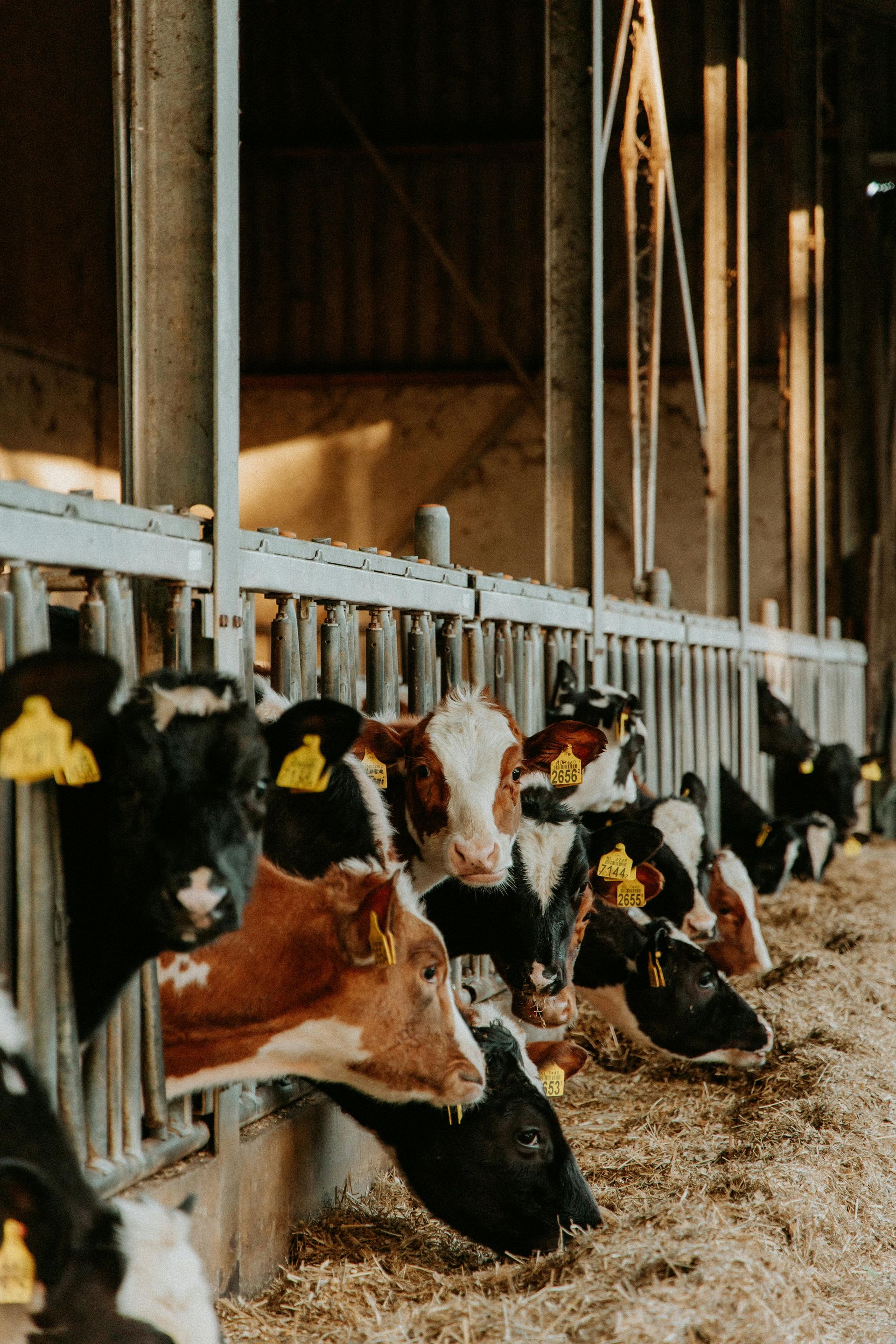
Feeding tasks often involve heavy lifting, equipment operation, and exposure to moving machinery. Dairy barn feeding equipment helps reduce manual labor while improving consistency.
Common feeding equipment benefits include:
- Automated feed delivery that saves time
- Mixer wagons that reduce repetitive lifting
- Clearly defined feed lanes that improve access
- Equipment controls designed for ease of use
When feeding equipment is properly maintained and safely operated, employees can complete tasks efficiently without unnecessary strain or risk.
Manure Handling Equipment and Workplace Safety
Manure management is essential for hygiene and animal comfort, but it can also present safety challenges. Slippery surfaces, confined spaces, and moving equipment increase the importance of reliable manure handling systems.
Effective manure equipment supports safer workflows by:
- Reducing manual scraping and handling
- Keeping walkways cleaner and drier
- Limiting employee exposure to hazardous areas
- Supporting predictable cleaning schedules
Automated or semi-automated systems help employees focus on monitoring rather than physical labor, which can lower injury risks.
Flooring and Walking Surfaces in Dairy Barns
Employee safety is closely tied to flooring conditions. Dairy barn equipment works best when paired with surfaces designed for traction and drainage.
Safer flooring contributes to workflow by:
- Reducing slips and falls
- Allowing confident movement during busy shifts
- Supporting proper animal movement patterns
- Making cleaning processes more effective
Rubber mats, grooved concrete, and proper drainage all complement equipment use and improve daily working conditions.
Lighting and Visibility Improvements
Good visibility supports both productivity and safety. Dairy barn equipment is easier to operate and monitor when lighting systems are designed for the environment.
Proper lighting helps employees:
- Identify equipment issues quickly
- Avoid obstacles and hazards
- Perform tasks accurately
- Maintain consistent work quality
Modern lighting solutions also reduce eye strain and support longer work shifts during early mornings or evenings.
Automation and Technology in Dairy Barn Equipment
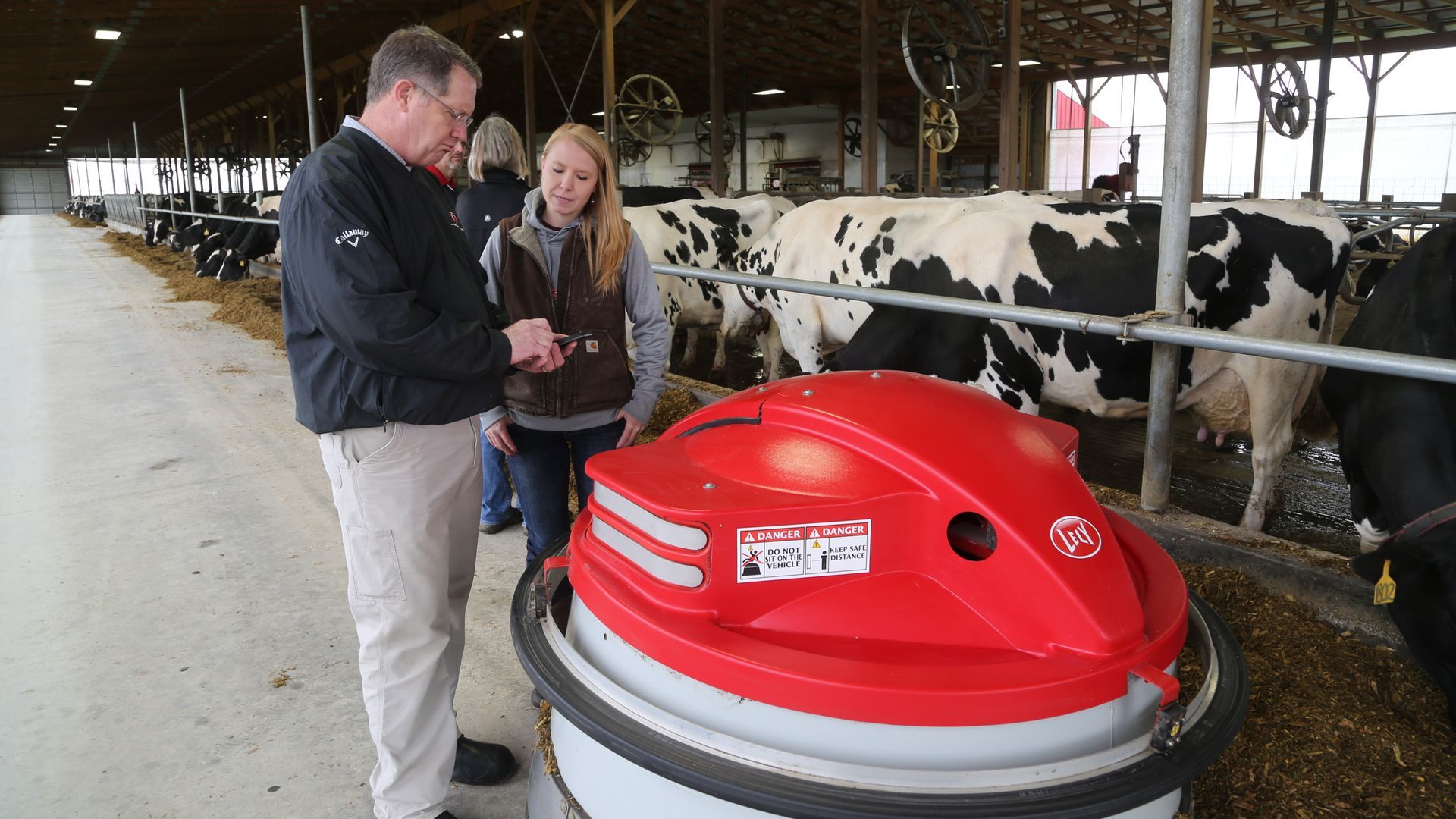
Automation continues to shape dairy workflows. Equipment such as robotic milkers, automated scrapers, and monitoring systems reduces manual tasks while supporting consistent routines.
Automation benefits include:
- Lower physical workload for employees
- Predictable task schedules
- Real time data for decision making
- Reduced exposure to high risk tasks
While automation does not eliminate the need for skilled labor, it allows employees to focus on oversight and animal care rather than repetitive physical work.
Equipment Maintenance and Its Impact on Safety
Even the best dairy barn equipment requires regular maintenance to remain safe and effective. Poorly maintained systems can disrupt workflows and increase accident risks.
Routine maintenance supports safety by:
- Preventing unexpected equipment failures
- Keeping controls responsive and reliable
- Reducing sharp edges or worn components
- Ensuring safety guards and features function properly
Establishing maintenance schedules helps protect employees and keeps daily routines predictable.
Comparing Traditional vs Modern Dairy Barn Equipment
| Feature | Traditional Equipment | Modern Equipment |
|---|---|---|
| Labor Intensity | Higher | Reduced |
| Workflow Consistency | Variable | More predictable |
| Safety Features | Limited | Improved design |
| Automation | Minimal | Increased |
| Maintenance Needs | Reactive | Planned |
This comparison highlights how modern equipment can support safer and more efficient dairy operations when properly selected and maintained.
Training Employees to Use Dairy Barn Equipment Safely
Equipment alone does not create a safe workplace. Proper training ensures employees understand how to operate equipment correctly and recognize potential hazards.
Effective training programs include:
- Clear instructions for equipment operation
- Safety protocols for emergencies
- Ongoing refreshers for experienced staff
- Visual guides and signage near equipment
When employees feel confident using equipment, workflows become smoother and safer.
Training Programs for Safe Equipment Use
Proper training is essential to ensure that employees can operate dairy barn equipment efficiently and safely. Even the most advanced machinery can pose risks if staff members are not fully familiar with its functions, maintenance requirements, and safety features. A structured training program minimizes accidents, reduces downtime, and fosters a culture of safety throughout the barn.
Training typically begins with hands-on demonstrations for each piece of equipment. Employees learn how to start, operate, and shut down machines correctly, while also understanding warning signals or error messages that indicate potential malfunctions. For example, workers should know how to safely operate milking machines, feed conveyors, manure scrapers, and ventilation systems, recognizing when a malfunction could harm animals or humans.
In addition to operation, training programs often include maintenance instruction. Workers learn routine inspection procedures, cleaning protocols, and minor troubleshooting steps to prevent equipment failures. Proper maintenance knowledge extends the life of equipment and prevents issues that could compromise animal welfare or employee safety.
Safety protocols are a major component of training. Employees are taught how to use personal protective equipment (PPE), identify hazards in barn environments, and respond to emergencies such as power outages or equipment jams. Staff also learn proper lifting techniques, ergonomics, and safe movement patterns to reduce the risk of musculoskeletal injuries during equipment operation.
Many modern training programs integrate digital tools and resources, including video tutorials, interactive manuals, and simulation software. These resources allow employees to familiarize themselves with equipment in a controlled environment before handling it in the barn. Refresher courses and periodic evaluations help ensure that safety knowledge remains current and that any gaps in understanding are addressed promptly.
By investing in comprehensive training programs, farm owners not only protect their employees but also improve overall workflow efficiency. Well-trained staff are more confident in their tasks, can respond to issues quickly, and are less likely to make errors that could damage equipment or affect animal welfare. Over time, this contributes to a safer, more productive dairy operation with lower downtime and reduced repair costs.
How Equipment Choices Influence Employee Morale
Workplace safety and efficiency directly affect employee satisfaction. Dairy barn equipment that reduces strain and frustration can contribute to better morale and retention.
Positive impacts include:
- Less physical exhaustion
- Reduced injury-related downtime
- Greater sense of control over tasks
- Improved teamwork and communication
Employees who feel supported by their work environment are more likely to stay engaged and productive.
Frequently Asked Questions
How does dairy barn equipment improve employee safety?
Dairy barn equipment improves safety by reducing manual labor, improving visibility, and limiting exposure to hazardous tasks.
Does automated equipment replace employees?
Automation supports employees by reducing physical strain, but skilled workers are still needed to manage systems and care for animals.
How often should dairy barn equipment be inspected?
Regular inspections are recommended based on manufacturer guidelines and daily usage patterns.
Can older barns benefit from upgraded equipment?
Yes, many equipment upgrades can be adapted to existing barns to improve workflow and safety.
What equipment has the biggest impact on daily workflow?
Milking systems, feeding equipment, and manure handling tools typically have the greatest influence on daily routines.
Final Thoughts
Dairy barn equipment plays a critical role in shaping how work gets done and how safely employees can perform their tasks. Thoughtful equipment selection, proper layout, and regular maintenance help create workflows that are efficient, predictable, and safer for everyone involved.
By focusing on equipment that supports both productivity and employee well-being, dairy operations can build more resilient systems that benefit people and animals alike.
Looking to improve workflow and safety in your dairy operation? Explore reliable dairy barn equipment solutions and consult with experienced suppliers to find options that fit your farm’s needs and long-term goals.
Reference:
https://boumatic.com/
Share this article