How Dairy Cattle Management Software Improves Herd Health Tracking
Herd health plays a central role in the success of any dairy operation, whether a family farm or a large commercial facility. The health of each cow has a direct impact on milk production, longevity, reproduction, and overall farm efficiency. As dairy operations continue to modernize, dairy cattle management software has become a valuable tool for improving accuracy, streamlining workflows, and supporting more informed decisions.
The shift toward digital tools is reshaping the way dairy farms track everything from health events and reproduction to feed management and milking data. This article explores how dairy cattle management software improves herd health tracking and why it has become a key component of modern dairy operations.
Key Takeaways
- Dairy management software can connect to farm machines to help centralize real-time data.
- Many tools enhance routine tasks such as milking schedules, feed management, and health alerts.
- Modern dairy farm machines now feature sensors that work well with digital record-keeping.
- Automation reduces repetitive tasks, which may improve workflow efficiency.
- Reporting tools can help producers make more informed management decisions.
- Software and equipment integration varies, so farms benefit from evaluating options carefully.
Understanding How Software Integrates with Dairy Farm Machines
In today’s dairy environment, most farm tasks generate data. Instead of writing information down manually, farms rely on sensors, automated systems, and digital record-keeping tools to capture key performance indicators in real time.
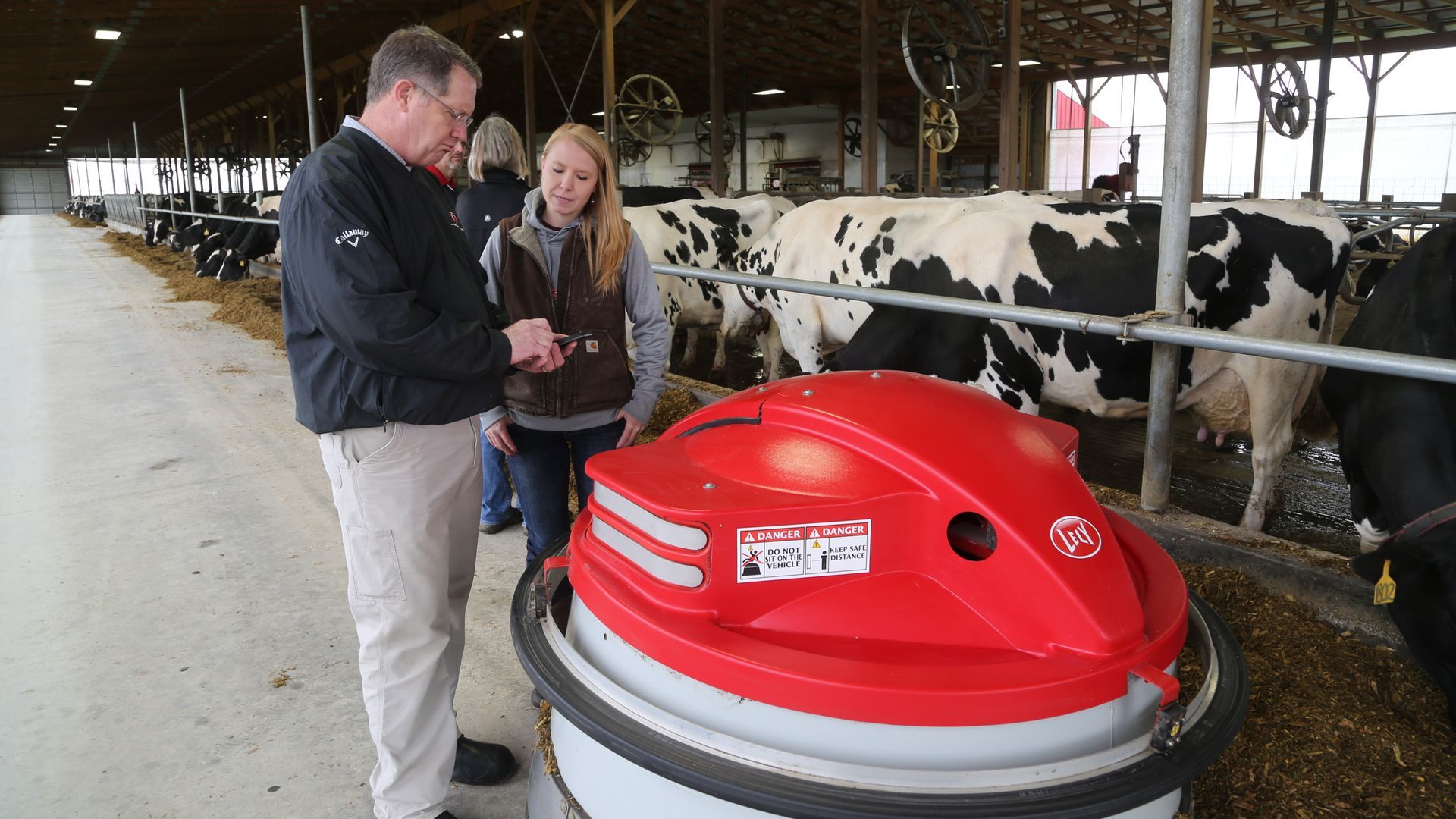
Dairy cattle management software acts as the “hub” that collects, organizes, and interprets these data points. Once connected to dairy farm machines such as milking systems, feeding stations, and activity monitors, the software can deliver actionable insights that help producers make timely and informed decisions.
Some common machines that integrate with dairy industry software include:
- Automated milking systems
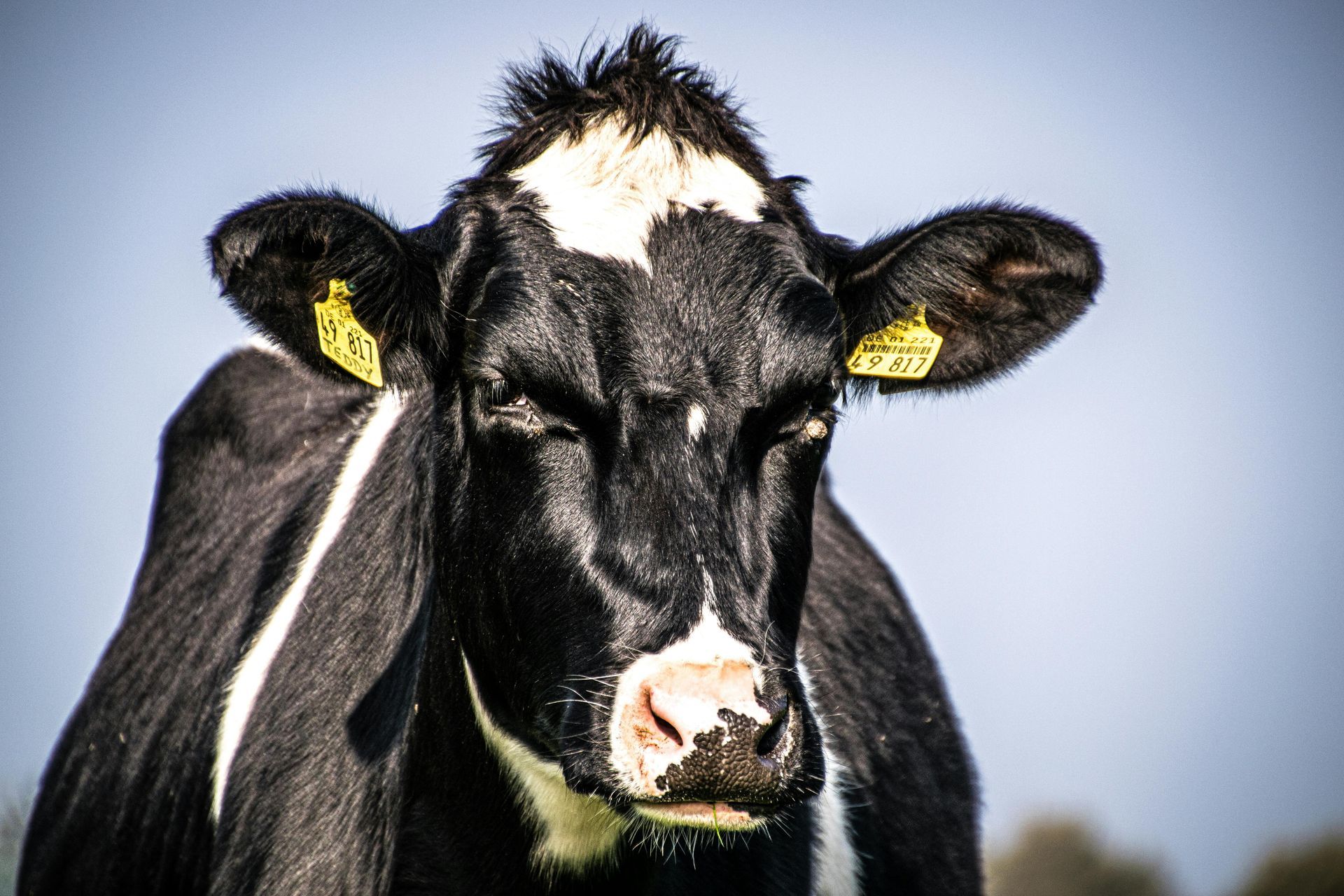
- Cow identification sensors
- Activity and heat detection monitors
- Feeding stations
- Rumination and behavior trackers
- Milk meters and quality sensors
- Barn environmental controls
Each machine captures a specific type of data. When connected to the software platform, farms get a complete, centralized picture of herd health and performance.
How Modern Software Connects to Dairy Farm Machines
Automated Data Collection Through Sensors
Many dairy farm machines now come with built-in sensors that track performance, animal contact, or environmental changes. Examples include:
- Milking machines with milk flow meters
- Feed pushers that record feeding cycles
- Environmental controllers that monitor barn temperature
- Activity collars that track movement and rumination
When connected to dairy cattle management software, this machine-driven data is stored in one place. Instead of manually entering every detail, the software collects the updates and organizes them into records for each individual animal.
Types of Data Commonly Captured
| Machine or Tool | Data Captured |
|---|---|
| Milking systems | Yield volume, flow rate, conductivity |
| Feed systems | Feeding schedules, feed amounts |
| Activity monitors | Steps, rest time, rumination |
| Barn environmental controls | Temperature, humidity, ventilation cycles |
| Automated sort gates | Animal routing and presence data |
Milking Systems and Software Synchronization
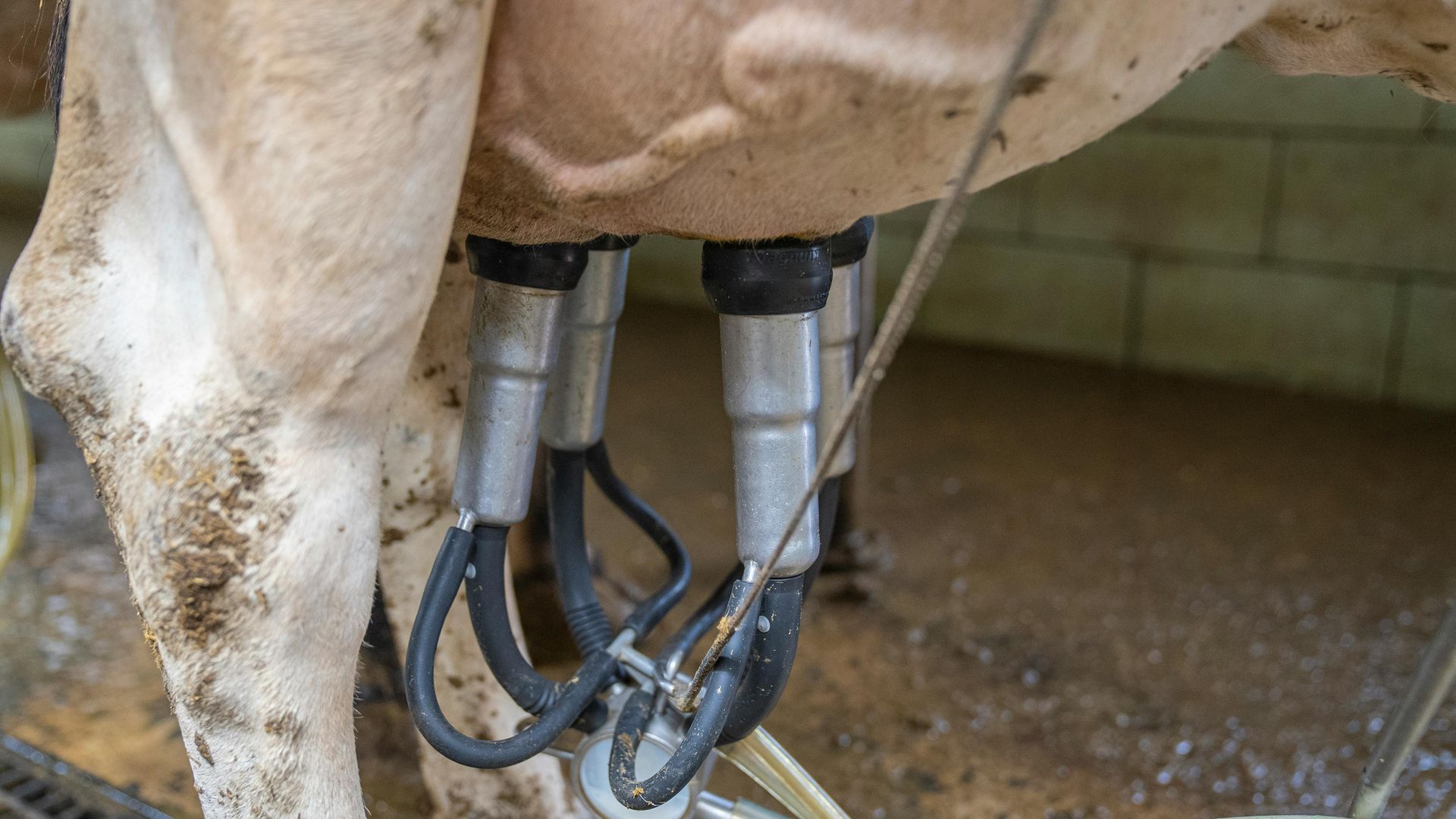
Milking systems are often the first major piece of equipment to integrate with software. Modern parlors and robotic milking stations can send information to the farm’s digital platform.
This can support:
- Tracking milk production trends
- Monitoring milk output per cow
- Identifying irregular milking patterns
- Managing cleaning and maintenance schedules
Producers can review this data to adjust routines or evaluate changes to cow comfort or equipment settings.
Barn Equipment That Works With Digital Platforms
Many forms of dairy barn equipment also connect to management tools. The goal is to help streamline repetitive tasks and ensure barn conditions remain consistent.
Common Equipment That Integrates With Software
- Automatic scrapers that log cleaning intervals
- Ventilation and curtain systems that record adjustments
- Cooling systems using temperature sensors
- Lighting controls that run timed schedules
- Water meters that track drinking patterns
When combined, these tools help producers observe how environmental changes relate to herd behavior or production.
Feeding Equipment and System Integration
Automated feeding tools, whether basic timers or fully automated TMR systems, may work with dairy cattle management software to better organize feed planning.
Possible features include:
- Tracking feed intake changes
- Monitoring feed delivery times
- Recording ration information
- Creating reports on feeding consistency
This helps producers maintain predictable feeding routines that support herd stability.
Herd Health Alerts and Early Detection
One of the most useful aspects of software and machine integration is consistent health monitoring. Sensors and equipment can send gentle indicators when something changes in a cow’s routine.
Examples of health-related alerts:
- Lower milk output readings
- Reduced activity or unusual rest periods
- Changes in rumination
- Feed intake irregularities
Software does not diagnose health conditions, but these alerts can guide producers to check on animals sooner.
Reporting Tools That Support Decision Making
Daily data from dairy farm machines becomes much more useful when farms can view it in organized dashboards.
Most platforms offer reports that show:
- Production summaries
- Feeding trends
- Barn environmental logs
- Animal performance over time
These tools help producers plan adjustments to routines or equipment settings based on the patterns they observe.
Equipment Maintenance and Scheduling
Machine maintenance is essential for keeping equipment operating as intended. Modern software can support:
- Tracking machine service intervals
- Recording previous maintenance events
- Organizing reminders for inspections
- Logging performance issues
This creates a better system for long-term equipment planning.
Frequently Asked Questions
Is dairy cattle management software difficult to learn?
Most systems are designed to be user-friendly. Training is typically offered by vendors to help producers learn the software.
Do I need modern dairy barn equipment to use the software?
No. Many systems work independently, although integration with equipment adds significant value.
Does the software require internet access?
Some systems operate offline and sync when the internet is available, while others require a stable connection.
Can the software help reduce veterinary costs?
It may help identify issues earlier, which can reduce the need for emergency treatments.
Is dairy cattle management software useful for small farms?
Yes. Small operations benefit from improved organization, record keeping, and herd monitoring.
Final Thoughts
Dairy cattle management software has become a powerful tool for improving herd health tracking and supporting stronger animal welfare practices. Its ability to centralize information, automate alerts, and integrate with dairy barn equipment provides clear operational advantages. Whether a farm uses advanced dairy farm machines or a more traditional setup, digital health-tracking tools can help producers make more informed decisions and maintain healthier, more productive herds.
Find out more about the best dairy farm equipment and software by
contacting us
today.
Share this article