How Dairy Industry Methods Impact Milk Quality and Animal Welfare
Milk quality and animal welfare are closely connected to the methods used across the dairy industry. From daily feeding routines to housing design and milking practices, each decision influences not only the health of dairy cows but also the safety, consistency, and nutritional value of the milk they produce. As consumer awareness grows, dairy operations continue to evaluate and refine their methods to balance productivity, sustainability, and animal care.
This article explores how common dairy industry methods affect milk quality and animal welfare, offering a clear and educational overview for producers, suppliers, and anyone interested in modern dairy practices.
Key Takeaways
- Dairy industry methods directly influence milk quality, safety, and consistency
- Animal welfare practices often support better milk outcomes
- Feeding, housing, and milking routines all play critical roles
- Stress management is important for maintaining healthy dairy cows
- Preventive care methods help reduce health issues and production disruptions
- Continuous improvement in dairy methods benefits both cows and consumers
Understanding Dairy Industry Methods
Dairy industry methods refer to the systems, routines, and technologies used to manage dairy cattle and milk production. These methods include feeding strategies, housing layouts, herd health programs, milking procedures, and sanitation standards. While each operation may differ in scale and approach, most dairy farms rely on a combination of traditional practices and modern innovations.
The goal of effective dairy methods is to create a stable environment that supports cow health while allowing for efficient milk collection. When these methods are well planned and consistently applied, they tend to benefit both milk quality and animal welfare.
The Relationship Between Milk Quality and Animal Welfare
Milk quality and animal welfare are often interconnected. Healthy cows are more likely to produce milk with desirable characteristics such as proper fat content, protein levels, and lower bacterial counts. Conversely, cows experiencing stress, illness, or discomfort may show reduced milk production or changes in milk composition.
Animal welfare focuses on providing adequate nutrition, clean water, comfortable housing, and appropriate medical care. When these needs are met, cows are generally better equipped to maintain consistent milk production over time.
Feeding Methods and Their Impact
Balanced Nutrition for Dairy Cows
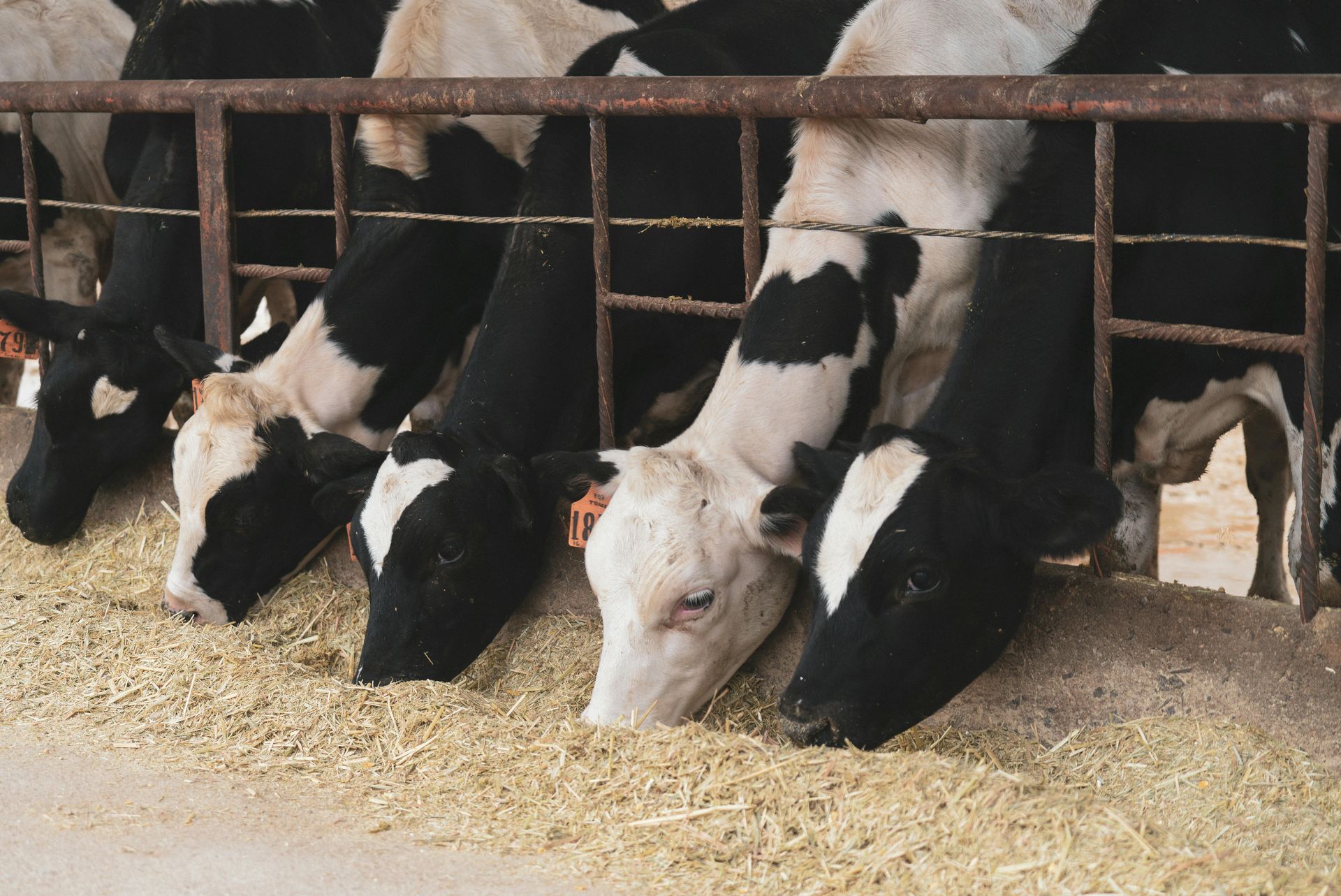
Feeding methods play a central role in dairy operations. Balanced diets help support digestion, immune function, and milk production. Rations are often formulated to meet the specific nutritional needs of cows at different stages of lactation.
Poorly managed feeding programs may lead to health concerns such as digestive upset or nutrient deficiencies. These issues can affect milk yield and quality, making nutrition management a key focus area for dairy producers.
Feed Consistency and Quality Control
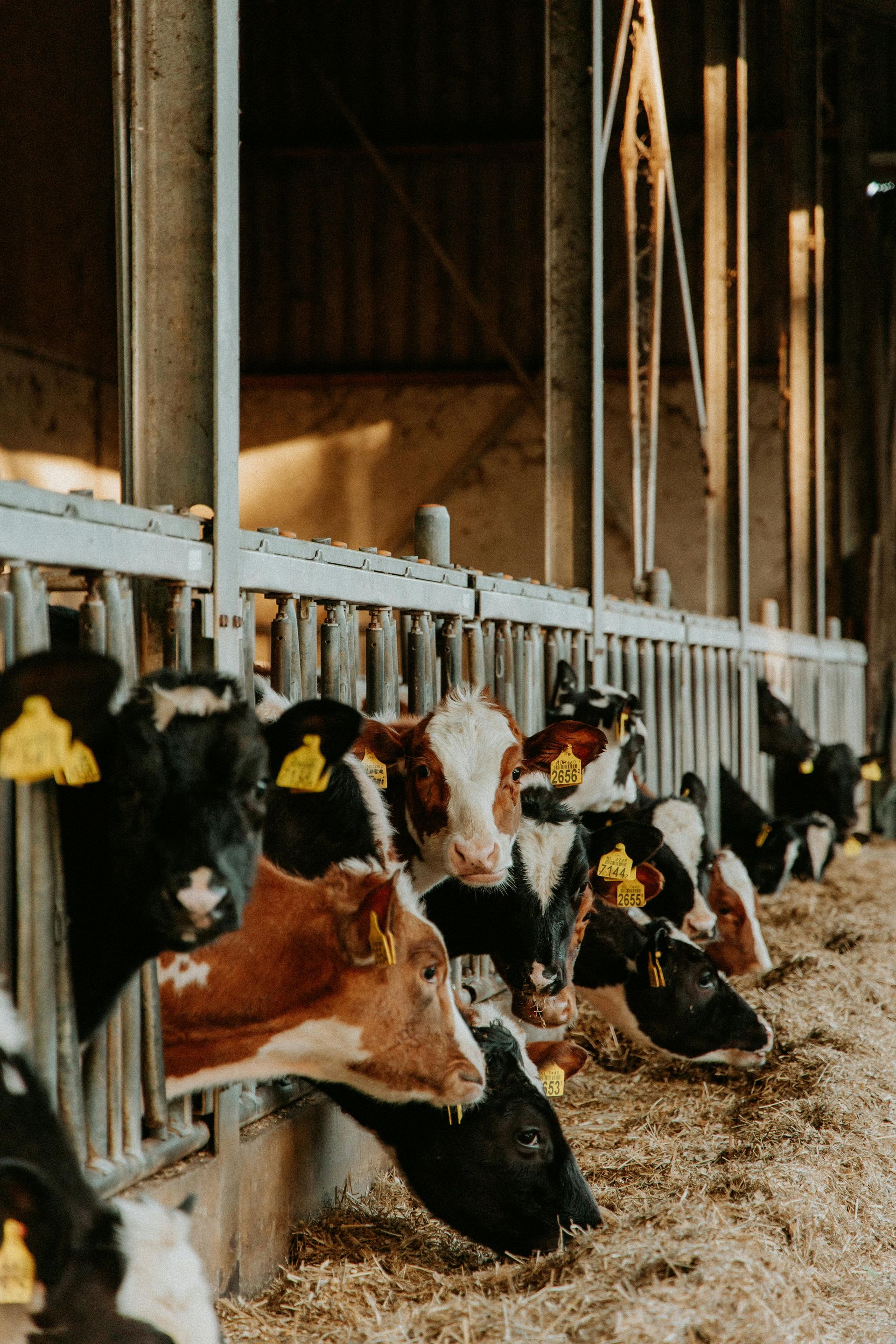
Consistency in feed delivery is also important. Regular feeding schedules and proper storage practices help ensure cows receive uniform nutrition. Feed contamination or spoilage can introduce risks that affect both animal health and milk safety.
Housing and Environment Considerations
Clean and Comfortable Living Spaces
Housing methods influence cow comfort, hygiene, and overall welfare. Well-designed barns allow cows to rest, move freely, and stay clean. Bedding materials and stall design can impact joint health and reduce the risk of injury.
Clean housing environments also help limit exposure to bacteria that could affect udder health and milk quality.
Ventilation and Climate Control
Proper airflow and temperature management are important components of dairy housing methods. Heat stress can reduce feed intake and milk production while increasing health risks. Ventilation systems and shade structures help maintain stable conditions for dairy cows throughout the year.
Milking Practices and Procedures
Routine Milking Schedules
Consistent milking routines support udder health and help maintain milk quality. Sudden changes in milking schedules or improper handling during milking can cause stress and increase the risk of contamination.
Well trained staff and clearly defined procedures contribute to smoother milking operations.
Equipment Maintenance and Sanitation
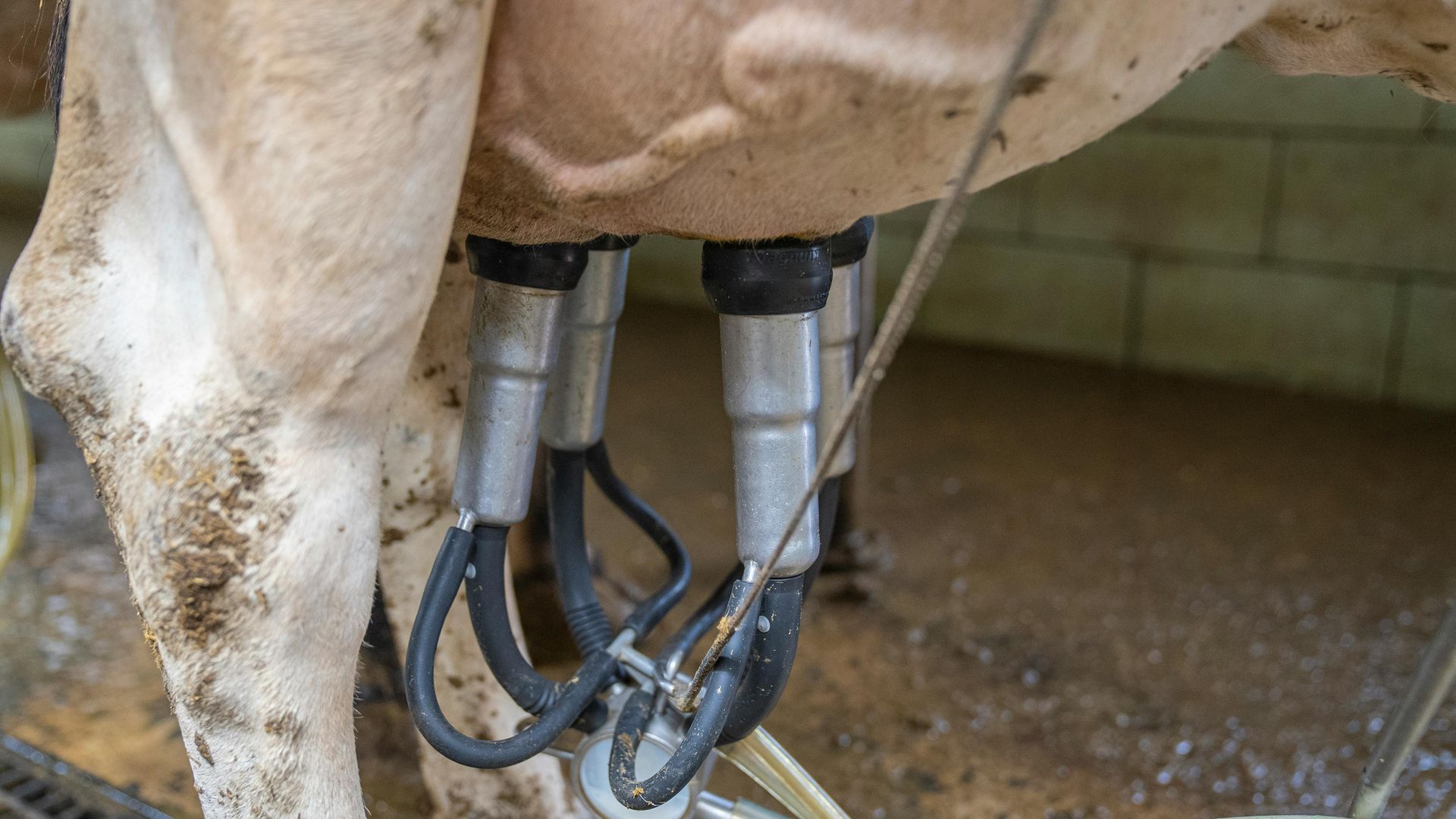
Milking equipment must be properly cleaned and maintained to reduce bacterial growth. Sanitation methods are critical for protecting milk quality and ensuring compliance with industry standards.
Regular inspections and maintenance routines help prevent equipment related issues that could compromise milk safety.
Herd Health Management Methods
Preventive Care and Monitoring
Preventive health programs aim to identify issues before they become more serious. Routine health checks, vaccinations, and monitoring programs support long term animal welfare.
Healthy cows generally experience fewer disruptions in milk production, contributing to more consistent quality.
Managing Illness and Recovery
When health concerns arise, timely intervention helps minimize discomfort and reduce the impact on milk output. Isolation protocols and treatment plans are often used to protect both the affected animal and the rest of the herd.
Stress Reduction in Dairy Operations
Stress can influence both animal welfare and milk quality. Common stressors include overcrowding, inconsistent routines, loud environments, and improper handling. Dairy industry methods increasingly focus on reducing stress through better facility design and staff training.
Calm handling practices and predictable routines help cows feel secure, which may support more stable milk production.
Technology and Modern Dairy Methods
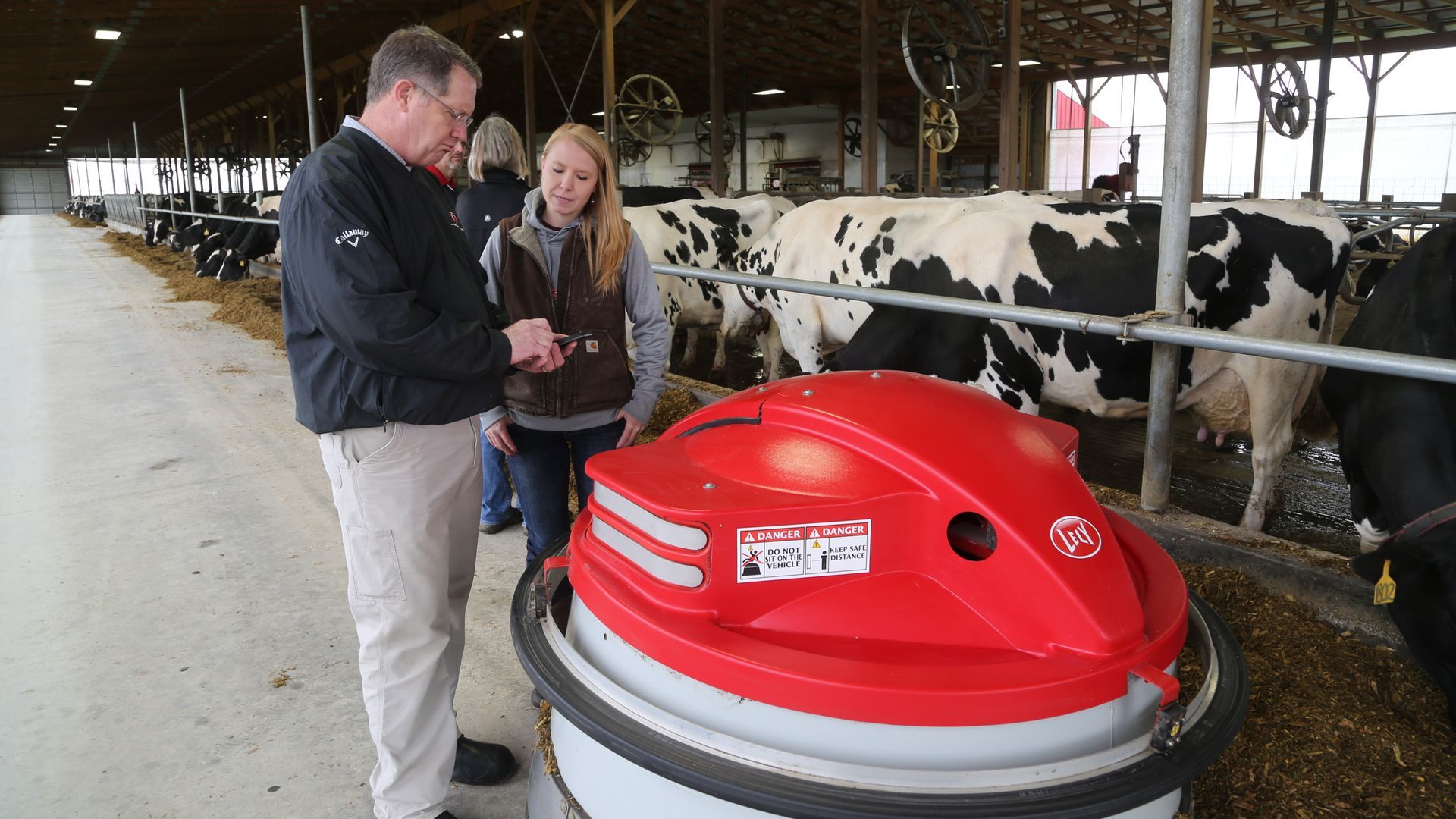
Technological advancements have introduced new tools for monitoring cow health, milk yield, and environmental conditions. Sensors, automated feeders, and data tracking systems provide valuable insights that help improve management decisions.
While technology does not replace good animal care, it can support more informed and proactive dairy methods.
Environmental Management and Sustainability
Sustainable dairy methods aim to balance production with environmental responsibility. Waste management systems, water conservation practices, and energy efficient equipment are commonly used to reduce environmental impact.
These efforts can also support animal welfare by maintaining cleaner and healthier living conditions for dairy cattle.
| Season | Key Challenges | Dairy Methods & Adaptations | Equipment Considerations | Animal Welfare & Milk Quality Impact |
|---|---|---|---|---|
| Summer | Heat stress, high humidity, reduced feed intake | Improve ventilation with fans, ridge vents, or tunnel systems; provide shade structures; use misters or soakers; adjust feeding schedules to cooler times of day | Check ventilation systems, cooling equipment, and water supply | Reduces stress, maintains feed intake, supports consistent milk production |
| Winter | Cold, wind, moisture, frozen water, uncomfortable bedding | Install windbreaks, insulate barns, maintain doors; replace bedding more frequently; ensure water systems remain unfrozen | Inspect heating, water lines, and milking equipment for cold-related issues | Keeps cows comfortable, reduces illness risk, preserves milk quality |
| Spring | Fluctuating temperatures, wet conditions, mud | Improve drainage systems, adjust traffic patterns, use appropriate flooring; manage mud in high-traffic zones | Ensure equipment handles moisture, clean and maintain machinery | Reduces hoof problems, prevents slips, supports overall herd health |
| Fall | Variable temperatures, moisture accumulation | Similar to spring; monitor barn conditions, maintain drainage, adjust feeding and ventilation as needed | Seasonal servicing of equipment after summer usage | Supports cow comfort, ensures milk consistency, prevents seasonal health issues |
Training and Workforce Practices
The people involved in dairy operations play a major role in how methods are applied. Training programs help ensure staff understand proper handling, hygiene, and animal care procedures.
Clear communication and consistent practices across the workforce help maintain high standards for both milk quality and animal welfare.
How Consumers Influence Dairy Industry Methods
Consumer expectations continue to shape dairy industry methods. Interest in transparency, animal welfare, and product quality encourages dairy producers to evaluate and adjust their practices.
Educational outreach and clear labeling help build trust between producers and consumers.
Frequently Asked Questions
How do dairy industry methods affect milk taste and consistency?
Feeding programs, cow health, and milking practices can influence milk composition, which may affect taste and consistency.
Does improving animal welfare always increase production costs?
Some welfare focused improvements may require investment, but they can also support long term efficiency and herd health.
Can stress really impact milk quality?
Stress can affect milk yield and may influence certain quality indicators, making stress management an important consideration.
How often should dairy methods be reviewed or updated?
Regular reviews help ensure methods remain effective and aligned with evolving industry standards.
Are modern dairy methods better than traditional ones?
Many modern methods build upon traditional practices by adding tools and systems that support consistency and monitoring.
Final Thoughts
Dairy industry methods play a vital role in shaping both milk quality and animal welfare. From nutrition and housing to milking routines and health management, each element contributes to the overall success of dairy operations. By focusing on thoughtful, well-managed methods, dairy producers can support healthier herds and deliver reliable, high-quality milk to consumers.
Continuous evaluation and improvement of dairy practices help ensure that animal care and product quality remain aligned with industry expectations and public trust.
If you are evaluating or updating your dairy operation, consider reviewing your current methods to identify opportunities for improvement.
Reference:
https://boumatic.com/
Share this article